Ken Block Biography: Gymkhana Visionary, Rally Racer, DC Shoes Co-Founder, Lasting Legacy
Ken Block didn’t just race cars—he changed how millions of people felt about cars. This ken block biography tells the story of a self-made entrepreneur who built DC Shoes, then reinvented himself as a rally driver and the face of Gymkhana, turning tire smoke into a global language. If you ever wondered how one person could blend business, motorsport, and internet culture so perfectly, Block is the blueprint.
Basic Facts About Ken Block
- Full name: Kenneth Paul Block
- Born: November 21, 1967
- Birthplace: Long Beach, California, USA
- Died: January 2, 2023
- Age at death: 55
- Height: About 6 ft 0 in (1.83 m)
- Occupations: Rally driver, entrepreneur, content creator
- Known for: Gymkhana films, Hoonigan, rally/rallycross competition, DC Shoes co-founding
- Spouse: Lucy Block
- Children: 3 daughters (Lia, Kira, Mika)
- Estimated net worth: Around $100 million (widely cited estimate; public figures vary)
Early Life: An Action-Sports Kid With Business Instincts
Ken Block’s story makes more sense when you realize he didn’t come from a traditional racing pipeline. He grew up around action sports culture—skateboarding, snowboarding, and the high-energy world where style matters as much as performance. That background shaped his entire brand later on. Even when he became a rally driver, he didn’t act like a quiet, technical guy who only wanted lap times. He wanted moments. He wanted spectacle. He wanted the kind of driving that made people stand up, laugh, and say, “How is that even possible?”
But he also had something a lot of action-sports legends don’t: a sharp business brain. Block understood branding early—logos, storytelling, visuals, and community. That skill would become the secret weapon that made him famous far beyond the motorsport world.
DC Shoes: The Company That Funded the Next Chapter
Before he became “Ken Block the driver,” he was already a major figure in the action-sports business world. He helped co-found DC Shoes in the 1990s, building a brand that grew quickly in skate and snow culture. DC wasn’t just about shoes—it was about identity. The brand’s look, team riders, and marketing pushed a bigger-than-life image, and Block was right in the middle of that growth.
In 2004, DC Shoes was acquired by Quiksilver in a deal widely reported around $87 million. That acquisition is a turning point in Block’s life story because it gave him something priceless: freedom. Not everyone gets to cash out of a booming brand and then choose a second dream. Block did, and he took that opportunity to chase motorsport seriously.
Starting Rally Later Than Most—and Catching Up Fast
Most elite racing careers start in childhood: karting at five, junior series at twelve, a professional ladder by the late teens. Block didn’t follow that timeline. According to museum and motorsport profiles, he entered rally competition in his late 30s—an age when many drivers are already established veterans.
That makes his rise even more impressive. He wasn’t trying to be “the next kid phenom.” He was trying to build skills quickly enough to compete against people who had been doing it their whole lives. Early on, he raced in Rally America with Vermont SportsCar, and he earned Rookie of the Year honors—proof that he wasn’t just a celebrity playing race car driver. He was improving fast, taking it seriously, and delivering results.
Rallycross and X Games: Where His Style Fit Perfectly
If rallying helped Block build credibility, rallycross helped him build a wider audience. Rallycross is loud, aggressive, and built for chaos—short races, tight corners, contact, and dramatic passes. It’s also incredibly visual, which suited Block’s action-sports roots.
He competed in major rallycross events, including X Games rally disciplines, and he became known as a driver who could make a race feel like a highlight reel. Even when he wasn’t winning everything, he was almost always doing something memorable. That’s an underrated talent in motorsport: being the guy fans talk about afterward.
Gymkhana: The Internet Era’s Most Influential Car Films
Ken Block’s biggest impact didn’t come from a single championship trophy. It came from videos—specifically Gymkhana. Starting in the late 2000s, the Gymkhana films turned precision driving into pop culture. They weren’t typical racing clips. They were carefully produced, cinematic “automotive ballets” full of drifting, impossible transitions, tire smoke, and playful danger that still looked controlled.
The formula was genius. Gymkhana didn’t require viewers to understand rally rules or racing strategy. Anyone could watch and instantly get it: a wild car, a fearless driver, and a setting that felt like a movie set designed for chaos. The films became viral landmarks on YouTube and helped define an entire era of car culture online.
They also did something bigger than entertainment: they expanded motorsport’s audience. People who never watched WRC, never followed rallycross, and didn’t know a thing about pace notes still knew Ken Block. Gymkhana made him recognizable in the same way a musician becomes recognizable from one song.
Hoonigan: Turning a Vibe Into a Global Brand
Gymkhana wasn’t just content—it was the engine for a lifestyle. Block helped build Hoonigan into one of the most recognizable automotive culture brands on the internet. “Hooning” is basically driving with attitude: loud, playful, sideways, and unapologetically fun (in controlled environments for filming and events). Hoonigan took that attitude and turned it into videos, apparel, events, and a massive online community.
Hoonigan’s success showed how Block’s marketing instincts never left. Even as he raced, he was also building an entertainment ecosystem around cars. In the modern era, that’s powerful. Winning races is amazing, but building a media world that keeps growing even when you’re not on track is how you become a lasting icon.
The Cars That Became Characters
Ken Block’s vehicles weren’t just tools—they were characters in the story. Part of why his videos worked is because each car felt like it had a personality. Fans didn’t only remember “Ken drifting.” They remembered which machine he was drifting.
- Subaru WRX STI rally cars: The early rally years, when he was building real competitive experience.
- Ford Fiesta and Focus rally builds: Key Gymkhana-era machines that helped define the series’ most famous years.
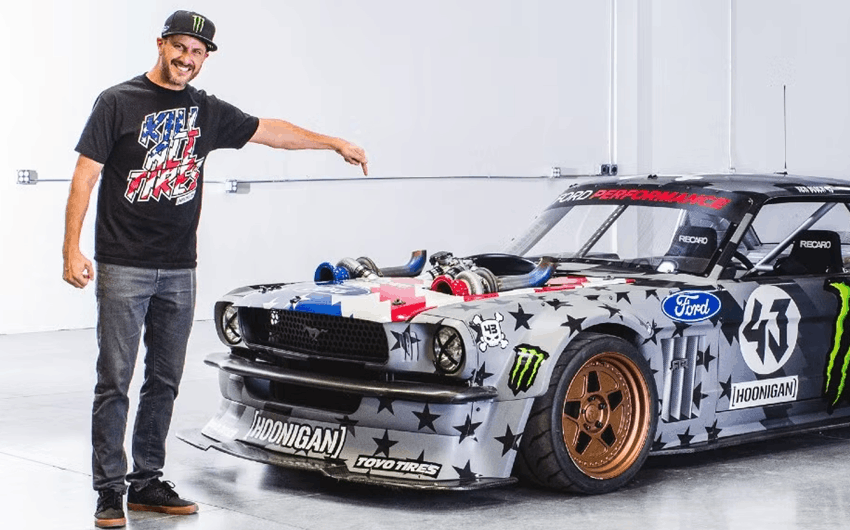
- Mustang “Hoonicorn” builds: Over-the-top power, aggressive looks, and a sound that felt like a monster movie.
- Later experimental builds: Projects that leaned into innovation and the future, including electrified performance work.
His team treated car builds like art projects with engineering discipline. The goal wasn’t only speed—it was spectacle with control. That’s why the driving looked impossible but also strangely clean.
Personal Life: Wife, Daughters, and a Family That Races On
Behind the smoke and stunts, Block was also a family man. He was married to Lucy Block, and they had three daughters. While Lia became the most publicly visible—competing in motorsport and appearing widely in media—reports and family-racing coverage have also identified his other daughters as Kira and Mika.
After his death, the story didn’t stop. It shifted. Lucy and Lia, along with the broader family and team, continued honoring his legacy through racing projects and public tributes. One major initiative tied to that legacy is the 43 Institute, created in his memory to support driven people pursuing action sports, motorsports, and creative paths. The name “43” is tied to Block’s famous racing number, and the mission reflects what fans always saw in him: passion, commitment, and creative fearlessness.
How Ken Block Died: The Tragic Snowmobile Accident
Ken Block died on January 2, 2023, in a snowmobile accident in Utah. Reports citing the Wasatch County Sheriff’s Office stated he was riding on a steep slope in the Mill Hollow area when the snowmobile upended and landed on him. He was pronounced dead at the scene. The news shocked motorsport fans worldwide because Block felt larger than life—one of those people you assume will always be around, always building something wild, always smiling in a cloud of tire smoke.
His death also sparked a massive wave of tributes from across motorsport, action sports, and the online car community. That response said everything: even people who weren’t hardcore rally fans understood what Block represented.
Net Worth: How Much Was Ken Block Worth?
Ken Block’s net worth has been debated widely online, mostly because his finances included private business deals, brand ownership, sponsorships, and media revenue that aren’t fully public. A commonly cited estimate places his net worth around $100 million, but you’ll also see figures that swing higher or lower depending on what a source assumes about DC Shoes equity, later business holdings, and ongoing media value.
What’s clear is how he built wealth in multiple lanes, not just racing prize money:
- DC Shoes entrepreneurship: Co-founding and scaling a major action-sports brand, then benefiting from its acquisition era.
- Sponsorships: High-value partnerships tied to his visibility and performance (especially during peak Gymkhana years).
- Content and media: Gymkhana and related projects created long-lasting value and global reach.
- Hoonigan business: Apparel, events, and a major digital platform built around car culture.
If you want the simplest truth: Block didn’t become wealthy because he was “just a driver.” He became wealthy because he was a builder—of brands, of content, of culture, and of a fanbase that followed him across every chapter.
Why Ken Block Still Matters
Ken Block’s legacy is bigger than rally results. He proved that motorsport could live comfortably in the internet era without losing authenticity. He made high-level driving feel fun instead of distant. He invited people in—skaters, gamers, casual car fans, and anyone who just liked watching something incredible happen in real time.
He also raised the bar for what “motorsport marketing” could be. Before Block, racing promotion often felt old-school: sponsors, posters, podiums. After Block, racing promotion could look like cinema, feel like music, and spread like a meme—while still being rooted in real driving skill.
And maybe most importantly, he showed that it’s possible to have a second life. He built a major company, then started a serious racing career later than most, then became a content icon, then built a brand that outgrew the usual motorsport audience. That kind of reinvention is rare, and it’s why his name keeps coming up whenever people talk about modern car culture’s most influential figures.
image source: https://www.hotcars.com/ken-block-mustang-hoonicorn/