Dusty Rhodes Biography: The American Dream, Family, Hard Times, and Wrestling Legacy
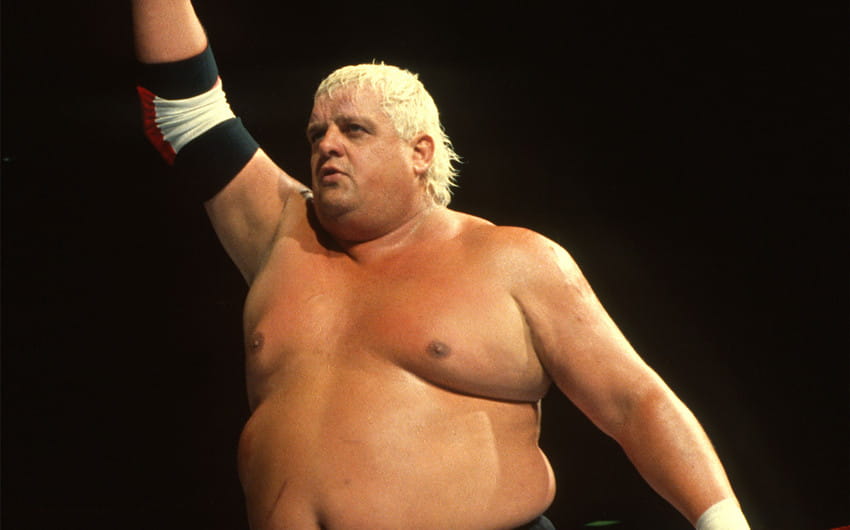
Dusty Rhodes wasn’t built like a typical wrestling superhero, and that was the whole point. This Dusty Rhodes biography explains how a loud, lovable, blue-collar talker turned himself into one of the most influential figures professional wrestling ever produced. He could make an arena believe with a single sentence, then back it up with grit, charisma, and storytelling that still inspires wrestlers today. From the “Hard Times” era to his role mentoring the next generation, Dusty’s impact never stopped growing.
Basic Facts About Dusty Rhodes
- Real name: Virgil Riley Runnels Jr.
- Ring names: Dusty Rhodes, The American Dream, The Midnight Rider (and others)
- Born: October 12, 1945
- Birthplace: Austin, Texas, USA
- Died: June 11, 2015
- Age at death: 69
- Height: 6 ft 2 in (1.88 m)
- Billed weight: Commonly listed around 275 lb (varies by era)
- Occupation: Pro wrestler, booker, producer, trainer, commentator
- Best known for: NWA/Jim Crockett Promotions/WCW stardom, iconic promos, WWE coaching and mentoring
- Spouses: Sandra McHargue (m. 1965–1975), Michelle Rubio (m. 1978–2015)
- Children: 4 (including Dustin Rhodes and Cody Rhodes)
- Estimated net worth: About $3 million (public estimates vary)
Early Life: Texas Roots, Sports Background, and a Big Personality
Dusty Rhodes was born Virgil Riley Runnels Jr. in Austin, Texas, and even as a young man he carried the kind of personality that fills a room. Before wrestling became his life, he was known as an athlete with real ability. He played sports in school and carried that competitive mindset into everything he did. That matters because Dusty never felt like someone who “fell into” wrestling. He attacked it like a mission.
He also understood people early. Dusty had a gift that can’t be taught: he could read a crowd and make them feel like he was talking directly to them. That skill became the core of his career. Plenty of wrestlers were tougher or flashier. Very few could connect the way Dusty did—like he was the guy in the stands who somehow climbed into the ring and refused to leave.
Breaking In: The 1960s and the Start of a Long Road
Dusty began wrestling in the late 1960s, working the territory system when the business was a grind and the miles were endless. This was the era of small arenas, smoky buildings, and tough veterans who tested you for real. It was also the best place possible for someone like Dusty to develop. He learned how to work a crowd night after night, how to improvise, and how to build emotion without needing fancy production.
Early in his career, Dusty teamed with Dick Murdoch as part of the Texas Outlaws, a rough, brawling duo that fit the times perfectly. Those years helped shape his identity as a no-frills fighter—someone who could take punishment, dish it back, and still keep the audience locked in.
Becoming “The American Dream”: A Star Built on Real People
Dusty’s greatest creative achievement was his own character. “The American Dream” wasn’t just a nickname. It was a full identity that turned him into a symbol. He presented himself as the everyman—loud, proud, imperfect, and still standing. In a world where wrestling often sells flawless champions, Dusty sold something different: heart.
That’s why fans loved him so fiercely. He didn’t look like the classic magazine-cover athlete, and he didn’t talk like a corporate spokesperson. He talked like a working man with bills, bruises, and a point to prove. It made his victories feel earned and his losses feel personal. When Dusty said he was fighting for you, crowds actually believed him.
NWA and the Territory Glory Years: Titles, Blood Feuds, and Real Stardom
In the 1970s and 1980s, Dusty became one of the defining stars of the National Wrestling Alliance world, especially through Jim Crockett Promotions (the promotion that later evolved into WCW). This is where his legend solidified. He wasn’t just popular—he was central to the biggest stories, the biggest buildings, and the biggest emotions.
Dusty became a three-time NWA World Heavyweight Champion, and he built iconic rivalries that are still discussed like folklore. His battles with Ric Flair, in particular, created a perfect contrast: Flair was the rich, arrogant champion in expensive suits, and Dusty was the blue-collar challenger who promised to bring the dream to the people. That storyline was simple, but it was powerful because it felt real.
Dusty also helped push the business forward in other ways. He wasn’t only a performer; he became a major creative force behind the scenes, shaping angles, building stars, and understanding what made people buy tickets. Many wrestlers have great matches. Fewer can build an entire promotion’s emotional direction. Dusty could.
The “Hard Times” Promo: Why One Speech Became Immortal
Ask long-time fans what makes Dusty Rhodes special, and you’ll hear the same answer again and again: promos. Dusty could talk people into a building. His most famous speech is the “Hard Times” promo from 1985, delivered during his war with Ric Flair and The Four Horsemen.
It wasn’t just good wrestling trash talk. It was a working-class speech delivered in a wrestling ring. Dusty talked about people losing jobs, struggling to pay bills, and still trying to stand tall. He turned wrestling into something emotional and personal. That’s why it still gets quoted today. Even people who weren’t alive in 1985 can watch it and understand the feeling immediately.
In modern wrestling terms, Dusty didn’t just “cut a promo.” He told a story that made fans feel seen. That’s a rare talent, and it’s why his words aged so well.
Booker and Visionary: Building Stories, Not Just Matches
Dusty’s influence wasn’t limited to what he did in the ring. He became one of wrestling’s most important bookers and creative minds. He helped shape major feuds, special-event energy, and the kind of wild, dramatic angles that made the territory era so exciting.
He is also strongly associated with the concept and popularity of WarGames, one of wrestling’s most famous match types. Whether people credit him with creating it or helping bring it to life, his fingerprints are all over the style of storytelling it represents: chaotic, emotional, high-stakes, and built around teams and rivalries that felt like war.
This is the part of Dusty’s legacy that wrestlers talk about with deep respect. He wasn’t only chasing cheers for himself. He was building a universe where others could become stars too.
WWF/WWE in the Late 1980s: Polka Dots, Pressure, and Reinvention
Dusty eventually joined WWF (now WWE) and entered a very different environment. WWF was bigger, louder, and more cartoonish in presentation than the Crockett/WCW style fans knew him for. That’s where the famous polka-dot gear came in—a look that some fans still debate today.
But here’s the truth: even when the presentation didn’t match the Dusty fans imagined, he still got over. Because Dusty’s core power wasn’t gear or music. It was connection. He also delivered memorable moments during this run, including pairing with Sapphire and bringing a different kind of fun to the shows.
His WWF run also revealed something important about him: he could adapt. He could walk into a new system, accept the role, and still make the crowd care. Not everyone can do that—especially someone already established as a legend elsewhere.
Family Life: Wives, Children, and the Wrestling Bloodline
Dusty Rhodes’ personal life is closely tied to his legacy because wrestling became a family calling. He was married twice. His first marriage was to Sandra McHargue (from 1965 to 1975), and they had two children together, including Dustin Runnels (who later became famous as Goldust/Dustin Rhodes) and Kristin Runnels.
In 1978, Dusty married Michelle Rubio, and they remained together until his death in 2015. They had two children, including Cody Runnels (Cody Rhodes) and a daughter named Teil. In other words, Dusty didn’t just create a wrestling persona—he created a wrestling family tree that continues to shape the business today.
Dusty’s sons became stars in very different ways. Dustin built a long career known for creativity and longevity. Cody became one of the biggest modern names in wrestling, carrying elements of Dusty’s spirit while forging his own identity. If you want proof Dusty’s influence never ended, look at how crowds react when his sons reference him.
Later Career: Mentoring the Next Generation and Becoming a Teacher
As Dusty aged out of full-time in-ring work, he shifted into one of the most meaningful roles of his life: mentoring and developing talent. In his later WWE years, he worked behind the scenes and became a key figure in shaping younger wrestlers, especially through the NXT system.
Many modern stars have described Dusty as a coach who didn’t just teach moves—he taught storytelling. He taught how to make an audience care. He taught how to take a simple idea and turn it into a moment people remember. That ability is rare, and it’s why so many wrestlers speak about him with real emotion.
WWE later honored him with the Dusty Rhodes Tag Team Classic, a tournament created as a tribute to his influence on tag team wrestling and talent development. That kind of honor isn’t given lightly. It’s a sign that, inside the industry, Dusty is viewed as foundational.
Hall of Fame and Recognition
Dusty Rhodes was inducted into the WWE Hall of Fame in 2007, a public acknowledgment of what fans already knew: his impact wasn’t limited to one company, one era, or one style. He was a pillar of wrestling history.
He also received recognition across the wider wrestling world for his work in NWA, WCW, and beyond. Dusty’s résumé is so large that it’s hard to summarize without leaving something out. But the key idea is simple: he helped build what wrestling became.
Death and Legacy: Why Dusty Still Feels Present
Dusty Rhodes died on June 11, 2015, in Orlando, Florida. Reports at the time stated he had been dealing with serious health issues, and his death was widely described as connected to kidney failure. His passing led to a wave of tributes that showed how many lives he touched, both publicly and privately.
Dusty’s legacy is so strong because it lives in multiple places at once. It lives in classic promos fans still replay. It lives in the way wrestlers tell stories today. It lives in the wrestlers he mentored. And it lives in his children, who carry the Rhodes name into new generations.
Most of all, it lives in one idea: Dusty made wrestling feel like it belonged to the people. Not the rich champion. Not the perfect athlete. The people. That’s why “The American Dream” wasn’t just a character. It was a promise.
Net Worth: How Much Was Dusty Rhodes Worth?
Dusty Rhodes’ net worth was never officially published in a single confirmed figure, so any number you see is an estimate. Public estimates commonly place his net worth around $3 million at the time of his death, though some sources list higher figures depending on what they assume about contracts, licensing, and long-term royalties.
His income typically came from several streams:
- Wrestling pay: Decades of main-event work across major promotions
- Booking and creative roles: High-responsibility positions that added earning power
- Commentary and appearances: On-screen roles that kept him visible
- Training and producing: Later-career WWE work, especially in developmental systems
- Merchandising and licensing: Ongoing value from an iconic persona
Why Dusty Rhodes Still Matters
Dusty Rhodes matters because he proved wrestling isn’t only about bodies and belts—it’s about emotion. He made crowds laugh, cry, and believe. He gave wrestling some of its most human moments, and he did it while being unapologetically himself. If you want to understand why promos still matter, why character still matters, and why “heart” still matters in wrestling, you study Dusty.
image source: https://www.usanetwork.com/usa-insider/dusty-rhodes-career-explained-cody-rhodes-dad