Clint Walker Biography: Cheyenne’s 6-Foot-6 Star Who Defined Classic TV Westerns Era
Clint Walker looked like he was carved out of a Western myth—towering, calm, and built for the kind of hero who could handle trouble without saying much. In this Clint Walker biography, you’ll see how a hardworking guy from Illinois became the face of one of television’s earliest smash-hit Westerns, then turned that fame into a steady film career. If you remember him as Cheyenne Bodie, the deeper story is how he stayed grounded, survived a near-fatal accident, and quietly built a long, respected life in Hollywood.
Basic Facts About Clint Walker
- Full name: Norman Eugene Walker
- Known as: Clint Walker
- Born: May 30, 1927
- Birthplace: Hartford, Illinois, USA
- Died: May 21, 2018
- Age at death: 90 (nine days before his 91st birthday)
- Height: 6 ft 6 in (1.98 m)
- Occupation: Actor and singer
- Years active: 1954–1998
- Best known for: Cheyenne (TV series)
- Spouses: Verna Garver (m. 1948–div. 1968), Giselle Hennesy (m. 1974–1994), Susan Cavallari (m. 1997–2018)
- Children: 1 daughter, Valerie
- Estimated net worth: Commonly reported in the $2–$4 million range (public estimates vary)
Early Life: Illinois Roots and a “Work First” Mentality
Clint Walker didn’t come from privilege or a Hollywood pipeline. He was born Norman Eugene Walker in small-town Illinois, and his early years were shaped by practical work and everyday survival. Long before anyone called him a star, he was the kind of guy who took the job in front of him and handled it. That background matters because it explains his on-screen energy later: he didn’t act like a delicate celebrity. He moved like someone who had lifted real weight, worked real shifts, and knew what real exhaustion felt like.
Another detail people often forget is that many classic Hollywood “tough guys” weren’t pretending. They had lived tough. Walker’s calm strength—his ability to be intense without being frantic—felt believable because it was rooted in a real-world personality. He wasn’t the fastest talker in the room. He was the biggest presence in the room, and he didn’t need extra noise to prove it.
Life Before Fame: Merchant Marine Work and Hard Jobs Across the West
Before acting, Walker’s life was full of working-class chapters. He spent time in the Merchant Marine after World War II ended and worked a string of physically demanding jobs afterward. Reports about his early years commonly mention labor-heavy work—things like industrial shifts, security work, and jobs tied to the kind of rough-and-ready environments where you learn to stand your ground.
That experience did two things for him. First, it gave him confidence around men who weren’t impressed by fame. Second, it built a body that casting directors couldn’t ignore. When he later walked into an audition, he didn’t look like an actor trying to become a cowboy. He looked like a cowboy who happened to be standing in an audition line.
Breaking Into Hollywood: Being Noticed for the Right Reason
Walker’s entry into entertainment had an old-school quality: he was spotted, encouraged, and nudged into trying the business. It wasn’t about viral clips or perfect networking. It was about presence. In the 1950s, studios were hungry for new faces who could carry television—an industry exploding into American living rooms. Walker had what they wanted: a heroic frame, a clean-cut look, and a natural masculinity that wasn’t cartoonish.
He also had an advantage many “pretty” actors didn’t have: he could be handsome without looking soft. That balance is gold in Westerns. The audience needs to believe the hero can win a fistfight, ride hard, and survive bad weather. Walker made all of that feel natural.
Cheyenne: The Role That Made Clint Walker a Household Name
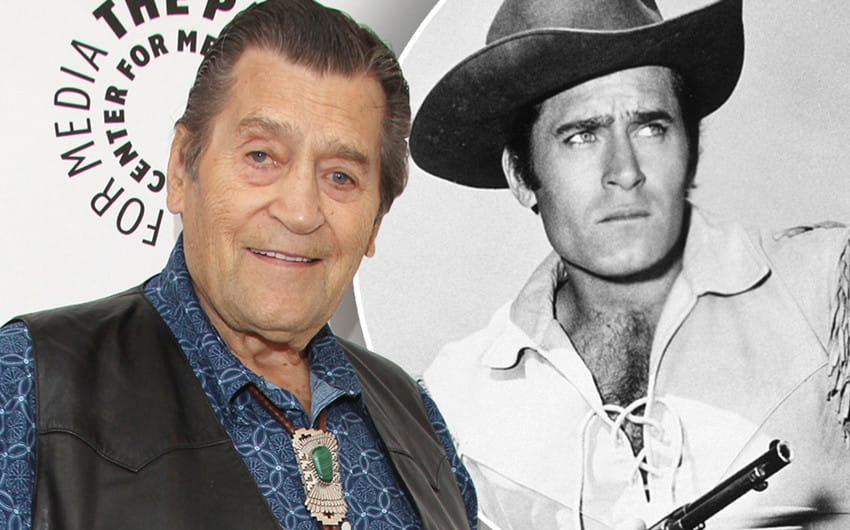
If you only know one thing about Clint Walker, it’s probably Cheyenne. The series launched in the mid-1950s and became a defining hit in early television Western history. Walker played Cheyenne Bodie, a wandering former soldier turned cowboy hero—strong, principled, and always stepping into someone else’s trouble at the worst (or best) possible time.
The show worked because Walker didn’t overplay the character. Cheyenne wasn’t a chatty hero. He was a man of action. Walker’s size and quiet confidence turned simple scenes into statements. When he walked into a saloon, the scene changed. When he stared someone down, you believed the other guy felt the pressure.
It also didn’t hurt that the camera loved him. In an era when TV Westerns often relied on straightforward storytelling, a charismatic lead could carry entire episodes. Walker’s Cheyenne had that “center of gravity” quality—steady, reliable, and strong enough to make the audience feel safe even when the story got tense.
Why His 6-Foot-6 Height Became Part of the Legend
At 6 feet 6 inches tall, Clint Walker wasn’t just tall for an actor—he was tall in a way that became a marketing tool. In Westerns, size equals mythology. A bigger hero feels more unstoppable, especially on a small TV screen. But there was also a practical side: directors had to frame scenes differently around him, and co-stars often had to adjust blocking because he could unintentionally dominate every shot.
Walker understood that. He learned how to move with control so he didn’t look clumsy or out of frame. That’s harder than it sounds. Tall actors can look stiff if they don’t learn how to bend into a scene. Walker managed to look relaxed, which made the height feel like power, not awkwardness.
Film Career Highlights: Westerns, War Stories, and a Surprise Comedy Turn
Although Cheyenne is the headline, Walker didn’t stay trapped in one role. He moved into films and built a career that mixed Westerns with other genres. Fans often remember him in classic Western titles like Fort Dobbs, Yellowstone Kelly, and The Night of the Grizzly, where his physicality fit the frontier world naturally.
He also appeared in major ensemble work like The Dirty Dozen (1967), a film that remains a war-movie staple. In a cast filled with strong personalities, Walker still stood out because of his size and calm intensity. He didn’t need to shout to be noticed.
One fun detail in his résumé is that he wasn’t afraid to step outside the Western box. He took on projects that let him show lighter timing and different rhythms, proving he wasn’t only a “cowboy actor.” Even if Westerns were his home base, he could still play against type when the role fit.
The 1971 Skiing Accident: The Moment He Nearly Died
One of the most shocking moments in Clint Walker’s life happened off-screen. In 1971, he suffered a terrifying skiing accident at Mammoth Mountain that nearly killed him. Accounts describe the accident as so severe that he was briefly pronounced dead before being revived and rushed into emergency surgery.
The story became part of Walker’s legend because it revealed his toughness in a real-world way. Lots of actors play near-death scenes. Walker lived one. Even more remarkable, he returned to work within a relatively short time, which reinforced the image people already had of him: durable, stubborn, and not easily taken out.
Personal Life: Marriages, Family, and a Private Personality
Clint Walker’s personal life was steady compared to many Hollywood stars. He was married three times, and each marriage lasted many years. His first marriage to Verna Garver produced his only child, a daughter named Valerie. After their divorce, he later married Giselle Hennesy, and after her death he married Susan Cavallari, who remained his wife until he passed away.
Walker didn’t live like someone chasing nonstop headlines. He wasn’t constantly reinventing himself for attention. Instead, he seemed to prefer privacy, stability, and a quieter life away from the loudest parts of celebrity culture. That choice is part of why his name still carries a certain old-school respect.
His Daughter Valerie: A Life Outside Hollywood
Valerie Walker didn’t build her identity around her father’s fame. In fact, she’s often mentioned for doing something impressive in her own right: becoming an airline pilot. That detail matters because it reflects something about the family culture. It suggests independence, focus, and a willingness to take on demanding work—traits that match the “no-nonsense” tone people associated with Clint Walker himself.
Net Worth: How Much Was Clint Walker Worth?
Because Clint Walker came from an earlier Hollywood era, his financial details were never as publicly documented as modern celebrities who post everything online. Still, public estimates commonly place his net worth in the $2–$4 million range at the time of his death, though the numbers vary depending on the source and what they include.
His wealth likely came from several long-term streams:
- Television salary: Multi-season lead work on a major network Western
- Film paychecks: Decades of roles in studio productions and popular genre films
- Residuals and licensing: Ongoing value from classic TV reruns and film distribution
- Public appearances: Occasional events and Western heritage recognition later in life
The bigger point is that Walker’s success was steady. He wasn’t known for wild spending or flashy luxury branding. His career looked more like a long, consistent run than a short burst followed by a collapse.
Later Years and Death: A Quiet Goodbye to a Western Icon
As he aged, Walker stepped away from constant acting work and lived a more private life. He died on May 21, 2018, in California from congestive heart failure. The news hit classic TV fans hard because he represented a time when heroes were drawn with clear lines: strong, decent, and ready to protect the weak.
His death also brought renewed appreciation for what Cheyenne meant historically. The show wasn’t just popular—it helped shape the TV Western boom, proving that weekly frontier storytelling could pull huge audiences and create long-running stars.
Legacy: Why Clint Walker Still Matters
Clint Walker’s legacy isn’t complicated, and that simplicity is part of the appeal. He became famous by playing a hero audiences trusted, and he did it with an authentic presence that never felt fake. He wasn’t the most talkative leading man. He was the most believable.
Today, he’s remembered as one of the great faces of classic television Westerns—a man who looked like the frontier, moved like the frontier, and carried himself with quiet confidence that still feels rare. If you’re revisiting his work now, you’re not just watching nostalgia. You’re watching a performer who understood exactly what the genre needed and delivered it without trying to be anything else.
image source: https://www.dailymail.co.uk/tvshowbiz/article-5759023/Clint-Walker-50s-Western-hit-Cheyenne-passes-away-heart-failure-age-90.html