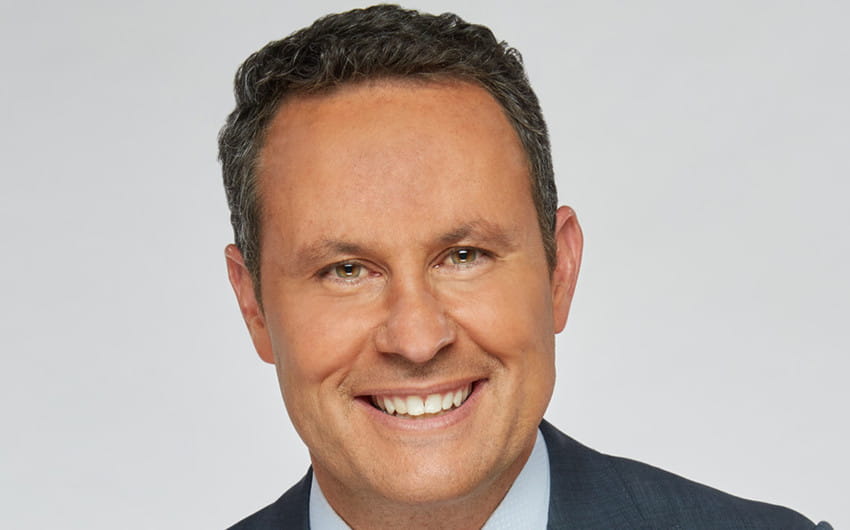
Brian Kilmeade Biography: Fox & Friends Host, Radio Voice, Author, Family Life
Brian Kilmeade has spent decades in the spotlight without becoming a one-note TV personality. He’s best known as a longtime co-host of Fox & Friends, but his career stretches beyond morning television into national radio, bestselling books, and prime-time hosting. This Brian Kilmeade biography covers the basic facts people search for—age, height, family, and net worth—while also explaining how he built one of the busiest, most durable careers in American political media.
Basic Facts About Brian Kilmeade
- Full name: Brian Kilmeade
- Born: May 7, 1964
- Birthplace: Massapequa, New York, USA
- Age: 61 (as of 2026)
- Height: Commonly reported around 5 ft 10 in (about 1.78 m)
- Occupation: Television host, radio host, political commentator, author
- Known for: Co-host of Fox & Friends
- Radio: The Brian Kilmeade Show
- TV (weekend): One Nation with Brian Kilmeade
- Education: Long Island University (B.A.)
- Spouse: Dawn DeGaetano
- Children: 3
- Estimated net worth: Often estimated in the $12–$14 million range (public estimates vary)
Early Life: Growing Up in Massapequa, Long Island
Brian Kilmeade was raised in Massapequa, a Long Island community where sports, routine, and local pride matter. His background is a big reason his on-air style feels less like a polished “TV guy” and more like a fast-talking neighbor who follows everything and has an opinion ready. He didn’t grow up in an entertainment pipeline, and he wasn’t built by social media. His path is a classic old-school media story: steady reps, small jobs, constant improvement, and a willingness to wake up early and outwork the competition.
Long Island is also the kind of place that shapes a certain rhythm—direct, energetic, and slightly blunt. That tone shows up in Kilmeade’s hosting. Even when he’s discussing serious topics, he often uses everyday language and quick references that sound more like a conversation than a lecture. Whether people agree with him or not, that “regular guy delivery” is a core part of why he’s lasted.
Education and Sports: Communication Skills Built in Real Time
Kilmeade attended Long Island University, where he earned a B.A. connected to communications and political science. He also played college soccer, a detail that seems small until you understand what sports teach: teamwork, pressure, and the ability to perform even when you’re tired. Those habits translate perfectly into live broadcasting, especially morning television, where the pace is relentless and mistakes happen on air.
College alone doesn’t turn someone into a national host, but it can sharpen the basics—writing, speaking, interviewing, and organizing ideas. Those skills are the skeleton of Kilmeade’s career. His job is not just to talk; it’s to keep the conversation moving, manage guests, hit breaks on time, and still make the show feel natural.
Breaking into Media: The Unseen Years That Make the Star
Most broadcast careers don’t begin with a big contract. They begin with the grind—local stations, odd hours, and learning how to stay calm when something goes wrong. Kilmeade worked in a variety of roles early on, including reporting and sports-focused jobs. That kind of mixed experience matters because it teaches flexibility. A sports background can also help a host develop timing, quick transitions, and comfort with unscripted conversation.
Those early years are where broadcasters learn how to recover. Maybe an interview goes sideways. Maybe a live hit gets delayed. Maybe breaking news interrupts the planned rundown. The host who survives is the host who adapts. Kilmeade’s later success makes more sense when you view him as a “reps guy”—someone who built confidence from doing the work repeatedly, not from a single lucky moment.
Joining Fox: A Long Tenure in a Fast-Changing Industry
Kilmeade joined Fox News in the late 1990s, which placed him inside the network during its early growth period. That timing mattered. It meant he didn’t have to break into an already crowded lineup; he grew with the brand. Over time, he became one of the network’s familiar faces, someone viewers could count on to appear regularly and hold the format steady.
In cable news, longevity is rare. Networks refresh talent constantly, audiences change, and public opinion shifts quickly. Kilmeade’s long run suggests two things: he understands the business side of television, and he knows how to keep his on-air presence useful to the network. When a host can fill multiple roles—morning TV, radio, specials, guest hosting—it makes them harder to replace.
Fox & Friends: The Job That Made Him a Household Name
Fox & Friends is the center of Kilmeade’s public identity. Morning television is a unique format because it’s not purely news and not purely opinion. It’s a mix: headlines, interviews, lighter segments, breaking news, and frequent guest discussions, all delivered with energy that has to feel upbeat even on hard days.
Kilmeade’s personality fits that environment because he can switch gears fast. He can go from politics to pop culture to sports and back again without sounding like he’s performing separate characters. That skill is important because morning audiences are multitasking—making breakfast, driving to work, checking phones. The show has to keep moving, and the hosts have to make the pace feel smooth, not chaotic.
He’s also known for a certain hosting rhythm: quick questions, quick follow-ups, and a willingness to challenge guests when he thinks they’re dodging. Supporters see that as directness. Critics see it as combative. Either way, it creates television, and in cable news, creating watchable moments is part of the job.
Radio Success: The Brian Kilmeade Show and Long-Form Conversation
While many viewers think of him as a TV personality, Kilmeade’s radio work is a major pillar of his career. The Brian Kilmeade Show gives him a different kind of platform. Radio allows longer stretches of talk, deeper interviews, and more room to build a daily relationship with an audience.
Radio listeners often form strong loyalty because the voice becomes part of their routine. It’s more intimate than TV. You can hear the host while driving, working, or doing chores. That “routine relationship” helps explain how Kilmeade expanded from being a morning co-host into being a standalone brand. If you only see him on TV, he’s one part of a panel. On radio, he’s the center.
His radio work also reinforces a theme of his career: volume. He doesn’t do one job. He stacks jobs. That kind of workload is exhausting, but it also increases influence. Being on multiple platforms means more exposure, more opportunities, and more leverage.
One Nation: Weekend Hosting and a Different Kind of Authority
Kilmeade also hosts One Nation with Brian Kilmeade, a weekend program that premiered in 2022 and later moved time slots, ultimately airing on Sunday nights. Weekend shows tend to carry a different tone than weekday morning TV. They offer more time for extended interviews, bigger monologues, and deeper segments. The host has to carry the hour without relying on constant co-host chemistry.
This role matters because it signals trust from the network. Hosting a full program is not the same as co-hosting a morning block. It places you in a position of authority: you’re setting the theme, choosing the guests, and shaping the show’s energy. For Kilmeade, it expanded his identity from “morning co-host” into “prime-time host,” even if the slot is weekend-based.
Books and Publishing: Turning Media Attention into a Long-Term Footprint
Another major part of Kilmeade’s career is writing. He has authored and co-authored a lineup of books, many focused on American history. This is a smart lane for a TV and radio host because it creates something lasting. Television is temporary—today’s segment disappears tomorrow. Books remain, and they reach audiences who may not watch cable news at all.
His history-themed writing also fits his brand. He often frames current events through a patriotic or story-driven lens, and history books allow him to expand that approach. Instead of reacting to one news cycle, he can build a narrative about leadership, conflict, and national identity. Whether readers agree with his perspective or not, the publishing work has strengthened his reputation as more than a talking head.
Writing also diversifies income, which matters in media. Networks shift, contracts change, and shows come and go. Authors with a proven audience can maintain earnings even when their screen time changes. For a long-career personality, that diversification is practical, not just ambitious.
On-Air Style: Why He’s Recognizable in Seconds
Kilmeade’s on-air style is fast, direct, and conversational. He often uses short, punchy questions and expects guests to answer without long detours. That can make interviews feel energetic, but it can also create tension—especially when a guest tries to pivot away from the question.
He’s also comfortable being a “format guy.” Some hosts are pure personalities. Others understand production—timing, pacing, and the need to keep segments tight. Kilmeade’s longevity suggests he understands both. He can talk, but he can also steer. That’s why he’s valuable in live television, where every minute matters.
Another piece of his style is accessibility. He doesn’t speak like an academic. He speaks like someone who wants the average viewer to stay with him. That approach is common in morning TV, where the goal is broad appeal, not narrow specialization.
Major Career Moments and Public Attention
Over the years, Kilmeade has had moments that pushed him beyond his regular slot—guest hosting, filling in for major programs, and stepping into higher-visibility roles when the network needed a recognizable face. Those moments are important because they show how he’s viewed internally: reliable under pressure.
At the same time, being a political host means you will face controversy. Kilmeade has had on-air comments that drew criticism and headlines, followed by public clarifications or apologies. That’s part of modern media reality: everything is clipped, shared, debated, and replayed. A personality can spend 99 days doing normal work and one sentence becomes the story. Whether someone sees those controversies as unfair pile-ons or as valid criticism often depends on how they already feel about him.
What’s notable is that these moments haven’t ended his career. That suggests he has remained valuable to his network and has maintained a loyal audience base that continues to show up.
Family Life: Wife, Children, and a More Private Home Persona
Kilmeade is married to Dawn DeGaetano, and they have three children. Compared to many public figures, he tends to keep his family life relatively quiet. You’ll hear personal anecdotes occasionally, but he does not build his brand around family content. That choice can be strategic. When your work already brings public attention, making your private life a central part of your public identity can add pressure and invite unnecessary drama.
His long-running marriage also stands out in the media world, where relationships often become headlines. Kilmeade’s public identity is tied more to his work routine than to his personal life, and that separation likely helps him maintain stability.
Net Worth and Salary: What the Estimates Suggest
Brian Kilmeade’s net worth is not officially confirmed through public financial disclosures, so any number you see online is an estimate. Still, many public estimates commonly place his net worth in the $12–$14 million range. This estimate makes sense when you consider his multiple income streams and long tenure in national media.
His earnings are generally believed to come from several main sources:
- Television contracts: Long-term daily hosting on a major cable network
- Radio income: Syndicated hosting tied to advertising and audience size
- Book revenue: Advances and royalties from multiple titles
- Speaking and appearances: Events and paid engagements connected to his public platform
It’s also important to understand why net worth estimates vary. Some sites include the value of property and long-term assets; others focus only on liquid wealth. Some guess annual salaries with confidence; others don’t. The best way to view the number is as a range that reflects a long, diversified career rather than a single paycheck.
Why Brian Kilmeade Has Stayed Relevant
In media, relevance is not guaranteed. Audiences change, trends change, and viewers move on quickly. Kilmeade has stayed visible for one big reason: he built a career that lives in multiple places at once. Morning TV keeps him in front of millions. Radio gives him daily depth and loyal listeners. Books extend his brand into a different market. Weekend hosting expands his authority beyond the morning format.
He also benefits from consistency. People know what they’re getting. Supporters like that predictability. Critics may roll their eyes at it. But predictability is a form of branding, and in national media, branding often matters as much as talent.
Finally, there’s work ethic. Hosting morning television is physically demanding because it requires early hours and steady energy. Adding radio and writing on top of that is even more demanding. Kilmeade’s career is a reminder that, in broadcasting, stamina can be a superpower.
Legacy: A Durable Political Media Figure of the Modern Era
Brian Kilmeade’s legacy is not just about one show. It’s about endurance and expansion. He took a morning co-host role and turned it into a broader platform that includes radio, books, and primetime-style hosting. Whether people view him as a trusted voice, a partisan figure, or simply a skilled broadcaster, his longevity places him among the more durable names in American cable news.
In an industry where attention can vanish overnight, Kilmeade built a career that keeps renewing itself. That doesn’t happen by accident. It happens through repetition, diversification, and the ability to stay on-camera—day after day—without losing the rhythm that made audiences tune in in the first place.
image source: https://fox56.com/news/local/one-on-one-with-fox-news-brian-kilmeade