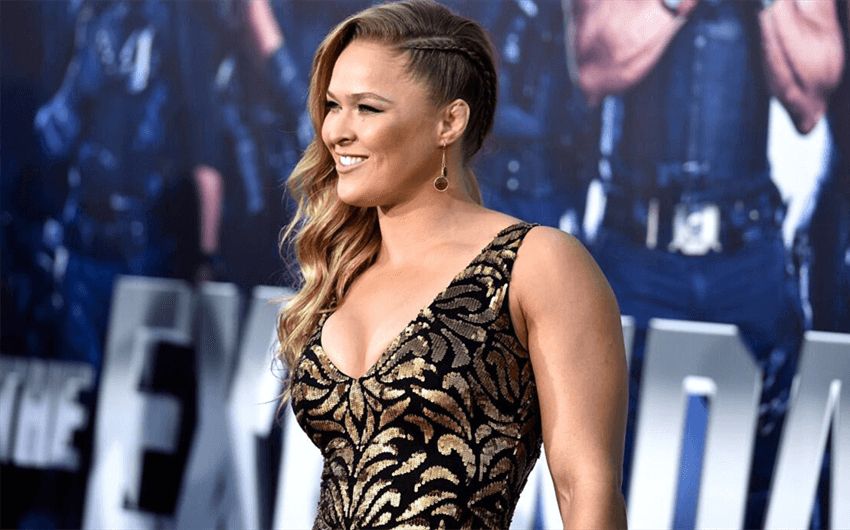
Net Worth of Ronda Rousey in 2026: UFC, WWE, and Beyond Earnings
When people search the net worth of Ronda Rousey, they usually want a clean number—but the real story is more interesting. Her wealth isn’t tied to one paycheck or one championship belt. It’s the result of a fast rise in combat sports, a mainstream celebrity moment few fighters ever reach, and a second act that kept the money flowing long after her final UFC walkout.
So what is Ronda Rousey’s net worth in 2026?
Most widely repeated estimates place Ronda Rousey’s net worth in the low-to-mid eight figures, commonly landing around $12 million to $14 million. You’ll see numbers outside that range online, but the most realistic “middle” tends to live there because it aligns with what’s publicly known about her biggest earning windows: peak UFC superstardom, major endorsement visibility, WWE money, and entertainment projects.
That range matters because celebrity net worth isn’t a single audited figure. It’s an estimate—built from reported purses and salaries, brand deals, business activity, known career milestones, and reasonable assumptions about taxes, expenses, management fees, and lifestyle costs.
Why net worth estimates vary so much
Two people can look at the same career and produce wildly different “net worth” numbers because they’re measuring different things. Some sites treat gross income as wealth. Others forget taxes entirely. Some assume every endorsement deal is enormous. Others ignore how expensive it is to maintain a public-facing career.
Here’s what usually changes the number:
- Gross vs. net pay: A $3 million fight purse is not a $3 million deposit after taxes, managers, coaches, and camp costs.
- Hidden income: Pay-per-view points, sponsorship terms, and appearance fees are often private.
- Expenses: Training costs, travel, medical bills, agents, legal help, publicists, and long-term brand maintenance add up quickly.
- Assets vs. cash: Net worth includes assets (like property) and subtracts liabilities (like mortgages). People often assume it’s all cash sitting in a bank.
With that in mind, Rousey’s financial story is best understood by following the streams of income she built across multiple industries.
The UFC years: the peak “combat sports celebrity” payday window
Ronda Rousey didn’t just win in the UFC—she changed what a UFC star could look like. At her peak, she became one of the biggest draws in the sport, which is where the real money tends to appear: headline pay, pay-per-view upside, bonuses, and sponsorship exposure that spills beyond the cage.
Her publicly reported purses show that she reached the upper tier of MMA compensation during her era. Even if only some of her UFC money is fully visible, it’s clear she was earning at a championship level when women’s MMA was becoming a mainstream business.
But “fight money” is rarely just the purse. Big headliners often negotiate additional upside—especially when they’re driving sales. That’s why her UFC era is frequently treated as the foundation of her wealth: it created the fame that made everything else possible, and it likely included earnings beyond the simplest publicly disclosed figures.
Training camps and the cost of being elite
It’s easy to imagine UFC earnings as pure profit, but elite fighting has real operating costs. Camps involve coaches, training partners, specialists, strength and conditioning, travel, medical attention, recovery work, nutrition, and time. Then factor in management fees, taxes, and the reality that fighting careers can end abruptly.
All of that is part of why net worth doesn’t grow in a straight line—even when headlines make it look like the money should be endless.
Endorsements: the “outside the cage” multiplier
For a brief period, Rousey was not just a fighter—she was a mainstream brand. That’s the moment when endorsements become less about niche sports marketing and more about mass reach. Those deals can include:
- Upfront payments for campaigns
- Performance bonuses tied to engagement or sales
- Usage rights (how long a brand can use your image)
- Social media deliverables
- Appearances and press tours
Even if exact contract totals remain private, her endorsement era clearly contributed meaningful income. More importantly, it pushed her into a public tier where entertainment and wrestling opportunities become realistic, not speculative.
WWE: a new lane with steady, high-visibility income
Rousey’s WWE run mattered financially because it offered something UFC can’t: a more structured entertainment ecosystem with ongoing revenue streams. Depending on contract terms, WWE compensation can include base salary plus additional earnings tied to:
- Major event appearances (premium live events)
- Merchandise royalties
- Bonuses and incentives
- Brand partnerships tied to WWE programming
WWE also keeps you in the public eye, which protects your “market value” even when you’re not actively fighting. That visibility makes it easier to land sponsorships, bookings, and media opportunities that extend beyond the ring.
In other words, WWE didn’t just pay her—it helped preserve her celebrity earning power.
Hollywood and media work: the fame dividend
Rousey’s entertainment work is another piece of the puzzle. Film and TV pay varies wildly depending on role size, billing, and experience, but it adds two important things:
- Additional income that isn’t dependent on physical competition
- Career diversification that reduces “single-sport” financial risk
Media work also helps long-term branding. Even a modest acting paycheck can have an outsized impact if it leads to more offers, increases public familiarity, or strengthens your leverage when negotiating future deals.
Books, licensing, and long-tail income
Celebrity memoirs and related projects can be meaningful earners—especially for someone with a story that intersects sports, fame, and personal resilience. Book money typically comes in waves:
- Advance payments (often split into milestones)
- Royalties after certain thresholds are met
- International editions and licensing
- Audiobook revenue and related distribution
On top of that, recognizable public figures can earn from licensing and appearances that quietly continue for years: speaking opportunities, brand collaborations, and one-off media features that don’t always make headlines.
How lifestyle, taxes, and management shape the final number
The difference between “made a lot of money” and “is worth a lot of money” often comes down to what happens after the checks arrive. High-income careers carry high complexity:
- Taxes: Federal, state, self-employment structures, and sometimes multiple-state taxation.
- Management and agent fees: Percentages that apply to deals negotiated on your behalf.
- Training and medical costs: Especially for a combat athlete over many years.
- Housing and property: An asset can build net worth, but it also comes with maintenance, insurance, and potential mortgages.
- Brand upkeep: Publicists, stylists, travel, and professional support teams aren’t cheap.
Rousey’s net worth estimate range makes more sense when you remember she earned big in certain years—but she also operated in expensive, physically demanding industries where costs are baked into the job.
Net worth vs. annual income: the common confusion
One of the biggest misunderstandings is assuming net worth is the same as yearly earnings. Net worth is the total snapshot: assets minus liabilities. Annual income is the flow of money over time.
A person can have huge earnings for a short period and end up with a modest net worth if expenses and taxes are high. Another person can earn less but build a larger net worth by investing well, controlling spending, and holding appreciating assets.
Rousey’s career suggests she had a high-earning peak, then transitioned into roles that likely smoothed out the income curve. That combination usually supports a durable net worth—especially when fame continues to generate opportunities.
What a realistic net worth range implies about her financial position
If you accept the commonly repeated $12–$14 million range as a practical estimate, it points to something important: Rousey likely turned her peak fame into lasting wealth rather than a short-lived jackpot.
That range implies:
- She capitalized on her UFC peak with strong paydays and brand deals
- WWE and entertainment provided meaningful second-act income
- Her wealth is substantial but not exaggerated into fantasy numbers
- She probably has a mix of cash, property, and long-tail earning assets
It also fits the reality that combat sports—even at the highest level—rarely creates the kind of wealth seen in sports with massive guaranteed contracts. Rousey is an outlier in MMA success, but MMA economics still have limits.
Looking ahead: does her net worth still have room to grow?
Even without returning to full-time competition, Rousey’s brand can still generate income through selective appearances, media opportunities, licensing, and projects that fit her life and priorities. Public figures with her level of name recognition often shift toward lower-frequency, higher-leverage work—choosing deals that pay well without demanding a punishing schedule.
That approach tends to protect net worth over time: fewer risks, fewer costs, and more control over how the public image is used.
Final take
In 2026, the most realistic answer is that Ronda Rousey’s net worth is commonly estimated around $12 million to $14 million, built through a rare blend of UFC superstardom, major endorsement visibility, WWE earnings, and entertainment work. The exact number will always be an estimate, but the bigger truth is clear: she didn’t just earn money—she built a multi-industry career that kept paying after the championship era ended.
image source: https://www.latimes.com/sports/sportsnow/la-sp-sn-ufc-ronda-rousey-drug-tests-anderson-silva-20150218-story.html