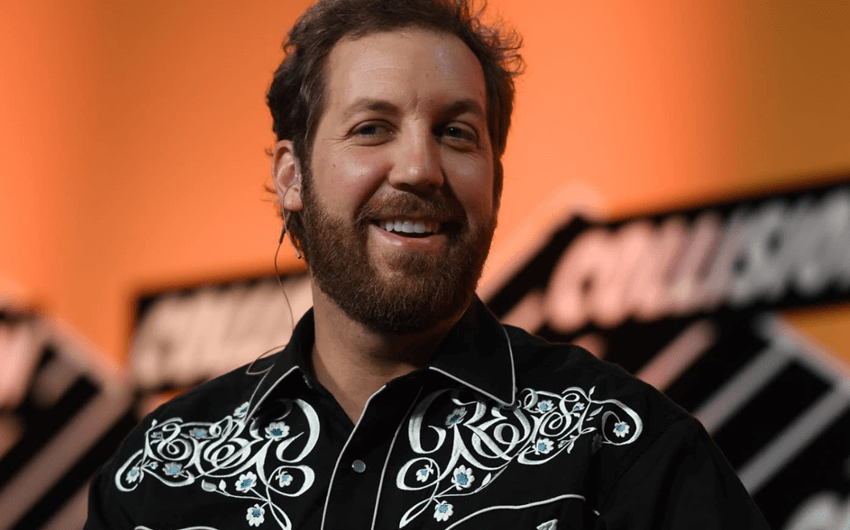
Chris From Shark Tank Net Worth: How Chris Sacca Built a Billion-Dollar Fortune
If you’ve been Googling chris from shark tank net worth, you’re probably looking for one simple number—and a quick explanation for how a guy in a cowboy shirt ended up so rich. The truth is more interesting (and more complicated): Chris Sacca’s wealth is tied to venture capital, early bets on world-changing tech companies, and the kind of investing math that doesn’t translate neatly into a single, permanent figure.
First things first: which “Chris” are people talking about?
When people say “Chris from Shark Tank,” they’re almost always referring to Chris Sacca, a guest Shark known for his Silicon Valley background, his outspoken deal style, and his early investments in major tech winners. He isn’t one of the original, full-time Sharks; he appeared as a guest investor across multiple seasons, and his presence stood out because his money story didn’t come from retail or real estate—it came from venture investing and startup equity.
So what is Chris Sacca’s net worth?
Chris Sacca is widely described as a billionaire, but the exact number you’ll see online varies a lot. Some estimates put him in the low billions, while others claim significantly higher. The biggest reason for the spread is simple: most of his wealth isn’t a salary you can verify. It’s ownership—stakes in companies, funds, and long-term investment outcomes that fluctuate with markets.
In other words, the “net worth” figure is best treated as a range, not a receipt.
Why his net worth is harder to pin down than a celebrity’s
Net worth is what you own minus what you owe. For a venture investor, that includes:
- Equity stakes in private and public companies (some liquid, many not).
- Ownership and profit participation in investment funds.
- Cash, real estate, and other assets that may not be publicly documented in detail.
- Liabilities (which are often unknown to the public unless disclosed).
On top of that, the value of venture holdings can change dramatically depending on the tech market. When valuations soar, a venture portfolio looks gigantic. When valuations reset, paper wealth can shrink—sometimes quickly—without the person becoming “broke” in any meaningful sense.
The real origin story: how a lawyer became a venture heavyweight
Sacca’s background is one reason his wealth story surprises people. He didn’t come up through entertainment or traditional Wall Street fame. He worked in law, then moved into tech and business, including a significant stretch at Google. That tech-world proximity matters because it put him close to the kinds of companies that explode in value when the timing is right.
But the biggest shift came when he started investing early—before companies were obvious winners. That’s where venture wealth is made: not by buying what everyone already agrees is valuable, but by owning meaningful stakes before the world catches up.
Lowercase Capital: the machine behind the money
Most people know Chris Sacca as “the Shark Tank guy,” but the real wealth engine is his investing platform, historically associated with Lowercase Capital (and later, broader climate-focused investing in the same orbit). The key point is that he wasn’t just making random angel investments—he built an investing brand that became known for getting into major tech companies early.
In venture capital, even a “small” early stake can become enormous if the company turns into a giant. And if you’re early in multiple giants, the outcome can look unreal.
The famous early bets: why people call him a venture legend
Sacca’s public reputation is strongly tied to early involvement in a set of tech companies that became household names. These kinds of wins matter because venture returns are not evenly distributed. In most venture portfolios, a handful of companies drive nearly all the profit. If your handful happens to include the biggest breakouts of a generation, your wealth jumps into a different class.
That’s also why his net worth feels “mythical” online. People don’t just associate him with being rich—they associate him with being rich because he spotted the future early.
How venture capital actually pays (and why it creates billionaire outcomes)
To understand Sacca’s net worth, it helps to understand how venture investors can earn money in multiple ways:
Equity value
If you invest early and the company grows massively, your stake can become worth hundreds of times what you put in. This is the headline-making wealth driver.
Fund economics
If you run a fund, you can earn management fees (steady revenue) and profit participation (a share of gains) when investments succeed. The public usually focuses on the “investment wins,” but fund economics can quietly create huge long-term wealth as well.
Secondary sales and liquidity events
Investors don’t always have to wait for an IPO. Stakes can sometimes be sold in secondary markets, or partially liquidated over time. That can convert paper wealth into real, spendable wealth—while still keeping upside.
All of those mechanisms can apply across many years, which is why a venture investor’s net worth can build like a snowball instead of a straight paycheck.
Why Shark Tank made his wealth feel more “public”
On Shark Tank, investors are presented like they’re making deals from personal cash piles. In reality, many investors think in terms of portfolios, ownership, and strategic value. Sacca’s presence highlighted that difference. He often approached deals like a tech investor: looking for scalable distribution, product-market fit, and the ability to win big rather than simply “make a nice profit.”
But here’s the key: Shark Tank did not make him rich. It made him more famous. His wealth was largely built before he ever walked onto that set.
Why estimates of his net worth can rise and fall with tech cycles
Venture-heavy wealth is sensitive to the tech market. When tech valuations are high, private-company stakes look enormous. When tech cools, those same stakes may be valued lower—sometimes drastically—until new funding rounds, acquisitions, or IPOs set clearer price points.
That’s why you’ll see one website claim an eye-watering figure while another claims something much lower. They may be using different years, different valuation assumptions, and different interpretations of what’s liquid versus what’s theoretical.
What “billionaire” usually means in his case
For many ultra-wealthy people, “billionaire” doesn’t mean a billion dollars in cash. It means a billion dollars in combined assets—often dominated by equity stakes. For Sacca, the most realistic picture is that:
- A large portion of wealth comes from ownership stakes tied to major tech winners.
- Some portion comes from fund management economics and long-term investing structures.
- His wealth is likely spread across multiple assets, not a single concentrated holding.
That structure creates durability. Even if one asset drops in value, he’s not reliant on one paycheck or one company to stay wealthy.
Spending, lifestyle, and why that doesn’t define net worth
People love lifestyle clues—homes, travel, cars—as if those automatically reveal a net worth number. Lifestyle can hint at wealth, but it’s not a reliable calculator. Very rich people can live quietly; less-rich people can live loudly. The more accurate way to gauge a venture investor’s wealth is not what they buy, but what they own and how early they owned it.
In Sacca’s case, his public identity is actually a bit of a misdirection: the cowboy-shirt persona makes him feel casual, but his wealth is built on extremely serious financial outcomes.
The most practical takeaway: treat the number as a range, then focus on the story
If you’re trying to summarize Chris Sacca’s wealth in one sentence, the most honest version is:
Chris Sacca is widely regarded as a billionaire, with net worth estimates that vary because his fortune is built on venture equity and market-sensitive holdings.
And if you want the “why,” it’s this: he built wealth the way the biggest venture fortunes are built—by getting meaningful ownership in category-defining companies early, then letting time, growth, and liquidity events do what they do.
Bottom line
Chris Sacca’s net worth is best understood as billionaire-level wealth rooted in venture capital, early tech investments, and ownership structures that aren’t easy to measure from the outside. Shark Tank helped mainstream his image, but it wasn’t the source of his fortune. The reason his net worth conversation never lands on one universally accepted number is the same reason he became so wealthy in the first place: the value of early-stage ownership can explode, and it can fluctuate, long before the public ever sees a final “closed-form” result.
image source: https://www.cnbc.com/2017/05/08/chris-sacca-told-a-shark-tank-behind-the-scenes-secret.html