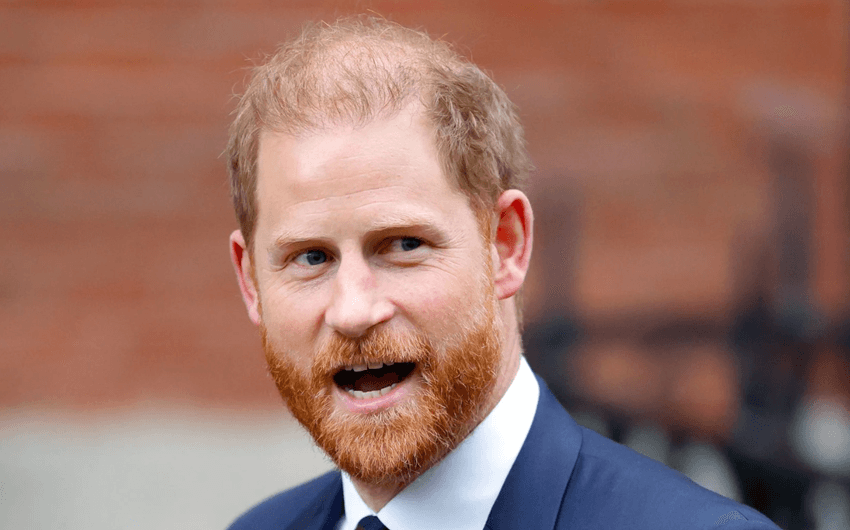
Prince Harry’s Net Worth in 2026: Inheritance, Deals, Lawsuits, and Costs Explained
If you’ve been wondering about prince harry’s net worth, you’re not alone—and you’re also not going to find one perfect number that everyone agrees on. The quick answer is that public estimates commonly place him in the tens of millions, with many recent write-ups clustering around the $60 million range when discussing his household finances. The more useful answer is why that figure is so hard to pin down: his wealth is a mix of inheritance, entertainment contracts, business roles, and very real, very expensive ongoing costs.
Why Prince Harry’s net worth is unusually hard to calculate
Most celebrity net worth conversations assume the person’s money works like a simple stack: income goes up, savings go up, net worth goes up. Prince Harry’s finances don’t behave like that. His public life includes:
- Inherited wealth that arrived in stages and often through trusts.
- Commercial deals where big headline numbers don’t equal personal payout.
- High, recurring expenses that don’t apply to most celebrities—especially security and legal battles.
- Assets that aren’t liquid, like real estate and long-term contract structures.
So when you see a number online, it helps to treat it as a range and a snapshot, not a bank statement.
The inheritance foundation: Diana’s legacy and the “royal trust” reality
Long before Netflix cameras and publishing advances, Harry had something most people don’t: an inheritance tied to one of the most famous figures on Earth. Princess Diana’s estate is frequently cited as a major financial base for both her sons. But inheritance isn’t just “money appears.” It’s typically structured to protect assets, manage taxes, and release funds at certain ages.
Public reporting over the years has described Diana’s will as being reduced by inheritance tax and then placed into arrangements that were later accessed when the princes reached adulthood. This matters because it explains two important things: Harry didn’t “start from zero” in his post-royal life, and he also didn’t have unlimited access to everything immediately.
In practical terms, Diana’s money functioned like a financial runway. It allowed Harry to make the leap away from formal royal funding without needing to instantly replace every penny of his lifestyle costs on day one.
Another inheritance layer: the Queen Mother trust stories
Beyond Diana, Harry has also been linked in press coverage to additional family trust arrangements—often described as part of the Queen Mother’s legacy planning. These stories tend to appear around milestones like major birthdays, because that’s when some trusts are structured to distribute assets.
Whether you treat those reports as fully precise or not, the broader point still holds: a portion of Harry’s wealth has come not from a salary but from inheritance structures. That’s one reason his net worth can look large even in years when his commercial output is lighter.
Stepping back from royal duties changed the money pipeline overnight
When Harry and Meghan stepped back as senior working royals, they also stepped away from a traditional royal funding model that relied on public support mechanisms tied to official duties. That choice created a permanent shift in how Harry earns money—and how the public judges it.
Once the couple publicly committed to financial independence, every business move became part of the net worth conversation. Some people framed it as a necessary evolution. Others framed it as controversial. But financially, it meant this: Harry’s wealth would now be shaped by the same forces that shape everyone else’s wealth—contracts, taxes, investments, expenses, and risk.
Netflix: the biggest headline number, and the most misunderstood one
The Netflix era is where most “net worth math” goes sideways. The couple’s Netflix partnership has often been discussed with a massive top-line figure attached to it. But entertainment contracts don’t work like lottery tickets. A deal can be worth “up to” a number, spread across years, tied to performance milestones, and partially allocated to production costs rather than personal income.
In other words, “a huge deal” does not automatically mean “a huge personal deposit.” If a contract funds development, staff salaries, production, travel, post-production, legal review, and overhead, the number that ends up functioning as personal wealth can be much smaller than the headline suggests.
Netflix still matters to Harry’s net worth because it signals long-term earning potential and brand leverage. But it’s best viewed as a business engine, not a single payout.
Spotify: big expectations, shorter runway
Harry and Meghan also had a podcast partnership that drew heavy attention—and then ended. This kind of deal is common in modern media: platforms throw serious money at star power, hoping for consistent output and audience growth. When the relationship ends early, the financial impact can be complicated. Some payments may already have been made, others might be tied to deliverables, and some may never be realized.
For net worth purposes, Spotify is a reminder that not every highly public contract becomes a long-term pillar. When deals end, they can reduce future expected earnings, which can also influence how outsiders estimate “what someone is worth.”
“Spare” and publishing money: the rare case of a clean, traditional payday
Book deals are easier for the public to understand than streaming contracts because publishing economics are older and simpler: an advance, royalties, and possible performance bonuses depending on the contract. Harry’s memoir, Spare, was a global event. Even if you ignore speculation and focus on the basics, a high-profile memoir can generate:
- Advance money paid in phases.
- Royalties once sales surpass the advance threshold.
- Audio and international rights value.
- Brand leverage that boosts speaking and media opportunities.
Publishing income is also meaningful because it’s one of the few revenue streams that can feel “personal” rather than “corporate.” A production deal funds a machine. A book advance is more directly tied to the individual author’s work and public interest.
BetterUp and the corporate role: steady income plus brand positioning
Harry’s work with BetterUp is another piece people often miss. Corporate roles don’t usually create giant spikes in net worth the way a blockbuster deal can, but they can create something just as valuable: stability and credibility in a sector.
For years, Harry has positioned himself around mental health advocacy, veterans’ support, and wellness initiatives. A formal role in a modern coaching/wellness company fits that public identity and gives him an income stream that is less dependent on whether a series drops this year or next year.
Even when the exact salary isn’t confirmed in a way the public can fully verify, the existence of a corporate position matters because it suggests: consistent compensation, brand alignment, and a long-term pathway beyond entertainment deals.
Speaking engagements: the quiet giant in celebrity finance
Speaking fees can be enormous for famous figures, especially those who can draw global attention. For Harry, speaking sits at the intersection of celebrity, royalty, activism, and controversy—meaning demand can be high even when opinions are divided.
Speaking money tends to be “clean” in a net worth sense. Yes, it’s taxed. Yes, management takes a cut. But compared to a production deal with multiple layers of overhead, a speaking fee is relatively straightforward. That’s one reason speaking is often a key part of high-profile public figures maintaining wealth in years when other projects slow down.
Now the other side of the equation: the costs that drain net worth
It’s impossible to talk about Harry’s net worth honestly without talking about what it likely costs to be him. Two major expenses show up again and again in public reporting and discussion:
Security
Security isn’t a luxury add-on in his case; it’s a core operating requirement. If your life involves credible threats, paparazzi intensity, and international travel, private security becomes a permanent bill. Unlike a one-time purchase, it’s recurring—year after year.
Legal battles
Harry has pursued multiple legal actions involving the media and privacy issues. Whatever you think about those cases, they’re expensive. Litigation at that level can run for years, require specialist teams, and generate major fees even before you reach a settlement or judgment. Settlements and damages can help on the income side, but legal costs can still be massive in the background.
These expenses are part of why net worth estimates can feel inconsistent. One year might include a major damages settlement. Another year might include enormous legal spending tied to continuing cases. Without private financial statements, outsiders can’t perfectly net those against each other.
Real estate: the Montecito factor and why property doesn’t equal cash
Harry and Meghan’s California lifestyle is often discussed through the lens of their home. Real estate can raise net worth on paper, but it also creates large ongoing costs—mortgage payments (if financed), property taxes, maintenance, insurance, staff, and security infrastructure.
That’s why a person can look “richer” after buying an expensive house and simultaneously feel more financial pressure. A home can be an asset, but it can also be a high-cost operating base.
So what’s the best way to think about Prince Harry’s net worth in 2026?
The most accurate way to think about it is as a portfolio with moving parts:
- Base wealth from inheritance that provides stability.
- Upside potential from media and publishing deals.
- Ongoing income from corporate roles and speaking.
- Significant drain from security and legal conflict.
That mix is exactly why so many estimates land in the tens of millions and cluster around a similar “headline range,” while still differing on the exact figure. Depending on the year you measure—and how you treat contracts, overhead, taxes, and expenses—his net worth can look higher or lower without anything “mysterious” happening.
Bottom line
Prince Harry’s wealth is commonly estimated in the tens of millions in 2026, and many public discussions place his household finances around the $60 million neighborhood. But the story behind the number matters more than the number itself: inheritance gave him a foundation, commercial deals expanded his earning power, and ongoing security and legal costs make his finances far more complicated than the average celebrity’s. If you want the simplest truth, it’s this: his net worth is real, sizable, and constantly in motion.
image source: https://www.hellomagazine.com/royalty/881068/prince-harry-africa-second-home-mother-book/