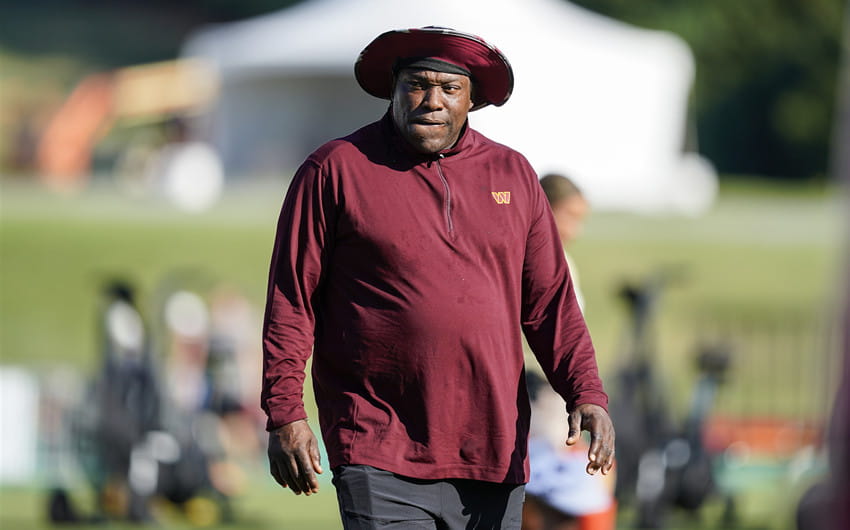
Warren Sapp Biography: Tampa Bay’s Defensive Wrecking Ball and Hall of Fame Icon
Warren Sapp wasn’t just a great defensive tackle—he was a weekly problem for entire game plans. This Warren Sapp biography walks through the essentials fans look up (age, height, family, net worth) and the deeper story behind the swagger: how he became the face of a dominant Buccaneers defense, why his career is still debated, and how his post-playing life has included both reinvention and hard lessons.
Basic Facts About Warren Sapp
- Full name: Warren Carlos Sapp
- Born: December 19, 1972 (Orlando, Florida, USA)
- Age: 53 (as of January 17, 2026)
- Height: 6 ft 2 in (188 cm)
- Playing weight: About 300–303 lb (136–137 kg)
- Position: Defensive tackle
- College: University of Miami
- NFL teams: Tampa Bay Buccaneers, Oakland Raiders
- Hall of Fame: Pro Football Hall of Fame inductee (2013)
- Spouse: Previously married to Jamiko Vaughn (divorced)
- Children: Publicly confirmed: two with Jamiko Vaughn (Mercedes and Warren Sapp II)
- Estimated net worth: Commonly reported around $500,000–$1 million (public estimates vary)
Early Life in Florida: Built for Noise and Big Moments
Warren Sapp grew up in Florida and developed the kind of personality you can’t coach into somebody. Some athletes are quiet until the whistle blows. Sapp was loud before the whistle, during the whistle, and after the whistle. That didn’t come from nowhere. He grew up in environments where you had to stand up for yourself, and football became the perfect place to channel that energy.
He also had that rare blend of traits that defensive coordinators dream about: quickness that didn’t match his size, strong hands, and the confidence to believe he was the most important person on the field. That confidence can be polarizing, but it also fuels greatness. The NFL is full of strong men. It’s not full of strong men who think they’re supposed to dominate every snap—and then actually do it.
The University of Miami: Where His Reputation Exploded
Sapp’s college career at the University of Miami put him in one of the sport’s most intense pressure cookers. Miami football has never been about quietly developing talent. It’s about building stars, building swagger, and backing it up against the best teams in the country. Sapp fit that culture like a glove.
At Miami, he wasn’t just “big.” He was disruptive. Coaches loved him because he could collapse the pocket from the inside, which is one of the fastest ways to destroy an offense. Quarterbacks can escape edge pressure by stepping up. They can’t escape if the middle caves in first. That’s where Sapp lived—right in the center, making everything uncomfortable.
By the time he finished college, he was widely viewed as a can’t-miss interior defender: explosive first step, violent hands, and enough agility to chase plays that most defensive tackles don’t even try to chase. He wasn’t a typical plug-the-gap guy. He was an attacker.
The 1995 Draft: Tampa Bay Gets Its Franchise Disrupter
Warren Sapp entered the 1995 NFL Draft with massive talent and massive attention. Tampa Bay selected him in the first round, and from the beginning, the plan was simple: build a defense that could bully people. The Buccaneers were tired of being an afterthought. Sapp’s arrival was part of their identity shift.
What made him special early was that he didn’t need years to “learn how to be a pro.” He played like he expected to win immediately. He fought in the trenches with a mean streak and then celebrated like a heavyweight champ. Fans either loved him or hated him—both reactions are valuable in professional sports because they mean you matter.
What Made Warren Sapp Different as a Defensive Tackle
Defensive tackle is a thankless position unless you’re truly elite. Most of the time, you’re absorbing double teams so someone else can make the tackle. Sapp could do that, but he wasn’t satisfied with “doing the dirty work.” He wanted the splash plays. He wanted the sack. He wanted the moment when the camera found him and the stadium reacted.
Technically, his game was built around a fast get-off and powerful hands. He didn’t just run into blockers. He worked them. He’d shock a guard with his hands, slip a shoulder, and turn the corner into the backfield before the quarterback could reset. That kind of interior pressure is devastating because it ruins timing. A play can be perfectly designed and still fail if the quarterback has to throw earlier than planned.
He also played with personality. Some defenders try to intimidate with silence. Sapp intimidated with presence. He talked, he laughed, he stared people down, and he made sure opponents knew exactly who hit them. That mental edge mattered because football is not only physical—it’s psychological. Sapp knew how to live in an opponent’s head.
The Buccaneers Defense: When “Great” Became “Historic”
Sapp became the centerpiece of a Tampa Bay defense that eventually turned into a nightmare for the league. With stars around him, he didn’t have to do everything alone—but he did have to set the tone. A defense can have talent, but it needs a heartbeat. Sapp was the heartbeat.
Those Buccaneers units were known for speed, aggression, and confidence. They didn’t play to survive. They played to embarrass. And Sapp, working from the interior, made the entire machine run smoother. When a defensive tackle wins quickly, it lets edge rushers take better angles. It forces bad throws that defensive backs can jump. It makes running backs hesitate because gaps disappear before they form.
In the late 1990s and early 2000s, Sapp’s peak lined up with Tampa Bay’s rise into a contender that nobody wanted to face in a big game.
Super Bowl Glory and the Peak of His Football Power
The ultimate highlight of Sapp’s Tampa Bay career came when the Buccaneers reached the top of the mountain and won the Super Bowl. For a defensive player, championships are often the clearest stamp of legacy because defense travels—especially when the stakes are highest. When a team wins with defense, those stars become immortal in franchise history.
Sapp’s career also included a long list of individual honors that confirmed what fans already knew: he wasn’t just famous; he was elite. Multiple Pro Bowls, All-Pro seasons, and the kind of respect that shows up when opponents start naming you first when they talk about the toughest matchup.
Oakland Raiders Years: The Late-Career Chapter
After leaving Tampa Bay, Sapp joined the Oakland Raiders. By that point, he had already built his name, and expectations followed him. Late-career moves are tricky for legends. Fans want the same dominance, but bodies change, situations change, and roles change.
In Oakland, Sapp remained a recognizable figure and a strong presence, but the story of his legacy was already written mostly in Tampa. That’s not an insult; it’s normal. Most great players have “their” team, and for Warren Sapp, the Buccaneers years are the core of the legend.
Hall of Fame Recognition: Cementing the Resume
In 2013, Warren Sapp was inducted into the Pro Football Hall of Fame, which is the highest formal recognition an NFL player can receive. That honor places him in a permanent category: not just a great Buccaneer, but one of the defining defensive tackles in league history.
Hall of Fame status doesn’t mean a player is perfect. It means the football impact was undeniable. In Sapp’s case, the impact was obvious for years: he changed how offenses handled interior protection, and he helped lead a defense that could win championships.
Personal Life: Marriage, Children, and Public Reality
Sapp’s personal life has often been public, sometimes by choice and sometimes because fame makes privacy difficult. He was married to Jamiko Vaughn in the late 1990s, and they later divorced. Publicly confirmed reporting commonly lists two children from that marriage: a daughter, Mercedes, and a son, Warren Sapp II.
There have also been additional reports over the years about more children, but the cleanest approach for a biography is to say what is consistently confirmed in mainstream references and avoid turning family life into rumor content. The bigger point is simple: Sapp has kids, he has responsibilities beyond football, and his life has had real-world consequences that didn’t disappear when the cheering stopped.
Money, Mistakes, and the Post-NFL Financial Story
Warren Sapp is often used as a cautionary example when people talk about pro athletes and money. During his playing career, he earned superstar-level income. Yet later, he publicly faced major financial trouble, including bankruptcy proceedings in the early 2010s. That keeps coming up because fans look at a Hall of Famer and assume the money must last forever.
But sports wealth doesn’t automatically equal lifelong security. There are taxes, lifestyle inflation, legal issues, support obligations, business deals that fail, and the simple reality that the NFL paycheck eventually ends. When a player’s identity is tied to being “the big dog,” it can be hard to downshift into normal spending habits. And when financial pressure hits, it can hit fast.
That’s why modern net worth estimates for Sapp are often much lower than people expect. Many public estimates now place him in the $500,000–$1 million range. These numbers are not official, but they reflect a consistent theme across coverage: his post-retirement finances have been complicated, and the headline story is not “rich forever.” It’s “great career, tough financial aftermath.”
Life After Playing: Media, Coaching, and Staying Close to Football
Like many former stars, Sapp moved into media work after retirement. That transition makes sense because his personality was already built for cameras. He’s blunt, confident, and rarely boring—traits television producers love.
In more recent years, he also moved into coaching roles connected to the University of Colorado football program under Deion Sanders’ staff, showing another kind of reinvention: not just talking about football, but teaching it. Coaching can be a second life for great players, especially ones who understand the mental side of the game. A defensive tackle who knows how to disrupt protection can teach young linemen things that don’t show up in a basic playbook.
Legacy: A Dominant Tackle, a Loud Personality, and a Complicated Story
Warren Sapp’s football legacy is clear: he was one of the most disruptive interior defenders of his era, a champion, and a Hall of Famer. His personality is also part of the legacy. Some fans loved the swagger and the talking. Some hated it. But almost nobody forgot it, and that’s the point. Sapp was never background noise.
His life story is also complicated, and that complication is part of why people still talk about him. He represents greatness and the cost of greatness. He represents the dream of making it big and the reality that life after the spotlight can be messy. He represents what happens when talent and confidence meet opportunity—and what happens when real-world consequences show up later.
In the end, Warren Sapp is remembered as a defensive force who helped define Tampa Bay football and proved that the most dangerous pressure often comes from the middle.
image source: https://www.kunc.org/news/2024-04-02/colorado-brings-in-hall-of-fame-defensive-lineman-warren-sapp-as-grad-assistant-to-work-with-buffs