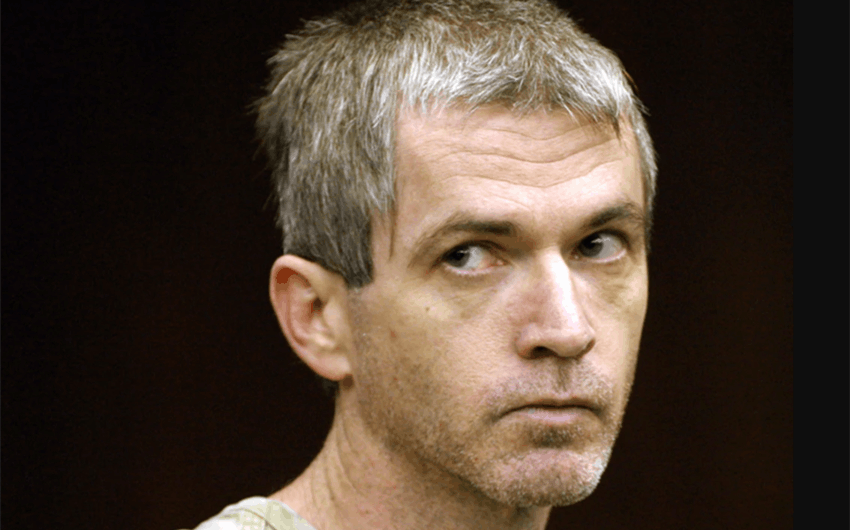
Charles Cullen Biography: The Nurse Serial Killer Who Shook Hospital Trust Nationwide
Charles Cullen became infamous not for celebrity or achievement, but for betraying the most basic promise of healthcare. This Charles Cullen biography explains who he was, how he moved through multiple hospitals for years, how investigators finally connected the pattern, and why his case changed conversations about patient safety and hospital oversight. The story is disturbing, but it also shows how systems can fail when warning signs aren’t shared or taken seriously.
Basic Facts About Charles Cullen
- Full name: Charles Edmund Cullen
- Born: February 22, 1960
- Birthplace: West Orange, New Jersey, USA
- Age: 65 (as of January 17, 2026)
- Nationality: American
- Occupation: Former registered nurse
- Known for: Convicted “killer nurse” case involving patient murders across multiple hospitals
- Marital status: Divorced
- Children: 2
- Convictions: Multiple murder counts in New Jersey and Pennsylvania
- Sentence: Multiple life sentences; no parole
- Estimated net worth: Not meaningfully established; as an incarcerated inmate, there is no reliable public net worth figure
Why His Case Horrified the Public
Most true-crime stories involve a dangerous person operating outside of normal society. Cullen’s case hit differently because it happened inside hospitals—places families trust during their most vulnerable moments. He was not a stranger breaking in; he was a staff member with access, authority, and the ability to blend into a professional environment. That contrast is a major reason his case remains so unsettling years later.
The public shock wasn’t only about the number of victims. It was also about duration. Cullen worked in healthcare for years while suspicious events piled up. In hindsight, people asked the obvious question: how could this continue without being stopped? The uncomfortable answer is that hospitals can be complicated institutions, and without strong systems for reporting and sharing concerns, a person can slip through gaps—especially if each facility sees only a small piece of a larger pattern.
Early Life: A Pattern of Instability Before Nursing
Cullen’s early life is often described as troubled and unstable. Many accounts point to a childhood marked by loss and emotional difficulty, followed by periods of personal crisis in his teen and young adult years. Those details do not excuse anything he later did, but they help explain why investigators and psychologists looked closely at his background once the case became public.
In many crimes, the “origin story” becomes a distraction. With Cullen, it matters mainly because it shows the warning signs weren’t limited to one stage of his life. There were indications of serious problems long before his arrest. Yet, as with many people who later commit extreme harm, the people around him did not have full insight into what he was capable of—or they did not have the power to stop him when behavior looked alarming but not yet criminal.
Entering Nursing: How He Gained Access and Trust
Cullen trained as a nurse and began working in medical settings where patients were already very sick, elderly, or medically fragile. That environment matters because it can make suspicious outcomes harder to detect. When patients are in critical condition, deaths can appear “expected,” and sudden declines may not immediately raise alarms—especially if the facility’s culture leans toward moving fast, avoiding conflict, or assuming the best about staff.
In typical hospital life, nurses are trusted with medication access and patient monitoring. They are also often overworked, which can create blind spots. If a staff member appears competent and keeps a low profile, colleagues may not notice inconsistencies until something becomes unmistakable. Cullen’s case is a grim example of how trust and access can be weaponized inside a system designed to heal.
How the Crimes Happened Without Sensational Details
Cullen was convicted of murdering patients by intentionally causing fatal medical crises. Public reporting and court records describe him using medications and hospital resources to harm people who were under his care. The key point is not the exact method, but the setting: he committed murder through the tools of a hospital, in an environment where patient deaths can be routine and where documentation can be complex.
Investigators later concluded that confirmed victims were only part of the total harm. Cullen admitted to more killings than prosecutors could formally prove, and investigators suspected a much larger number, in part because some records were incomplete and some deaths were never re-examined at the time. That gap between “confirmed” and “suspected” is one reason his case remains a benchmark in discussions about healthcare accountability.
The Job-Hopping Pattern: A Warning Sign in Plain Sight
One of the most important threads in Cullen’s story is movement. He worked at multiple hospitals in New Jersey and Pennsylvania over the course of his career. In several instances, he left one job and soon appeared at another facility. When that pattern is viewed in isolation, it can look like normal career switching. In context—paired with rumors, disciplinary issues, or unusual patient events—it can look like evasion.
This is where institutional behavior becomes central to the biography. Hospitals have incentives to reduce legal exposure and reputational damage. In some cases, rather than pursuing a public, aggressive investigation into a staff member, an employer might choose a quiet separation. The problem is that “quiet” can become dangerous when it allows a concerning employee to be hired elsewhere without a full warning trail. Cullen’s case became a symbol of what can go wrong when organizations protect themselves instead of sharing hard truths.
Investigation and Arrest: When the Pattern Finally Locked In
Cullen was arrested in 2003 after law enforcement and hospital investigators began connecting suspicious events. A major breakthrough came from recognizing that certain medical emergencies kept occurring around the same staff member. Once suspicion focused, investigators looked at medication access, patient outcomes, and timeline overlaps.
His arrest did not instantly solve every question. Even after a suspect is in custody, proving individual cases in a hospital environment can be difficult. Prosecutors must tie specific actions to specific outcomes, often years after the fact. That reality helps explain why the confirmed victim count in court can be lower than what investigators suspect occurred.
Convictions and Sentencing: Life Behind Bars
Cullen ultimately pleaded guilty to multiple murders in New Jersey and Pennsylvania. Courts handed down multiple life sentences. In practical terms, the outcome was clear: he would never be released.
His sentencing also became a public moment of grief and anger for families. For relatives who suspected something was wrong in a loved one’s final days, the convictions confirmed the worst. For relatives who had accepted a “natural” hospital death, the case reopened pain they never expected to revisit. That emotional damage—families questioning medical care, families questioning whether a death was truly inevitable—is part of the long shadow Cullen left behind.
The Human Cost: Victims and Families
It’s easy for a case like this to turn into statistics, but the reality is individual people died and families were forever changed. Many victims were already ill, which made it even more tragic: these were people who deserved care, comfort, and dignity, not harm. The fact that some victims were vulnerable or near the end of life does not reduce the seriousness of the crimes. If anything, it intensifies the moral betrayal.
Families often described a lasting kind of uncertainty. Even when a victim was medically fragile, the idea that someone may have shortened their life by days, weeks, months, or years can be devastating. It also creates a specific kind of grief—one mixed with anger and the feeling that something sacred was stolen.
System Failures: What His Case Exposed About Healthcare
Charles Cullen’s case became a warning siren for the healthcare system. It exposed how poor information-sharing between hospitals can allow dangerous patterns to remain hidden. It also raised uncomfortable questions about how internal investigations are handled when patient safety conflicts with corporate risk management.
In the years since, the case is frequently referenced in discussions about reporting requirements, background checks, medication security, and workplace culture. The lessons aren’t limited to “watch for monsters.” The deeper lesson is that systems must be built to catch rare but catastrophic behavior—especially in environments where staff have access to life-and-death tools.
Many healthcare professionals also emphasized another point: most nurses and doctors are dedicated and ethical, and the system depends on trust. Cullen’s crimes were exceptional, not typical. Yet exceptional cases still require safeguards, because when they happen, the damage is massive.
Books, Documentaries, and The Good Nurse
Cullen’s story re-entered mainstream conversation through true-crime reporting and later through the book The Good Nurse by Charles Graeber, which highlighted both the crimes and the role of people who helped bring him to justice. The 2022 film adaptation, also titled The Good Nurse, introduced the case to a new audience and focused on how suspicion grew within the hospital environment.
These retellings matter because they shape public understanding. Some true-crime content becomes sensational. The better versions of Cullen’s story emphasize the systemic gaps that allowed the crimes to continue and the courage required to speak up when something feels wrong in a powerful institution.
Legacy: A Case That Changed Policy Conversations
Charles Cullen’s legacy is grim, but it is also instructive. He became a symbol of what can happen when organizations fail to communicate, when warning signs are minimized, and when “quiet solutions” replace transparent accountability. His case is now used in training conversations about patient safety, ethics, and institutional responsibility.
For the public, the story reinforced how important oversight is in healthcare. It also created a lasting fear: if something like this happened once, could it happen again? The most responsible answer is that prevention is never perfect, but systems can become stronger when they learn from failure. Cullen’s case forced that learning into the open.
image source: https://www.nbcnews.com/id/wbna8378620