Lil Peep Biography: The Emo-Rap Star Who Changed Sad Music Forever Today
Lil Peep’s rise was fast, messy, and unforgettable, and his influence didn’t stop when his life ended. He became a voice for people who felt too much, said too little, and needed music that sounded like the truth. This Lil Peep biography covers the basic facts, his early years, how he built a loyal fanbase online, the music that made him a star, and why his legacy still feels so present.
Basic Facts About Lil Peep
- Stage name: Lil Peep
- Real name: Gustav Elijah Åhr
- Born: November 1, 1996
- Birthplace: Allentown, Pennsylvania, USA
- Died: November 15, 2017
- Age at death: 21
- Height: Commonly listed around 6 ft 1 in (about 185 cm)
- Genre: Emo rap, alternative hip-hop, trap-influenced rock
- Known for: Blending punk/emo emotion with rap flows and melodic hooks
- Family: Raised by his mother; had a brother (Oskar); parents later separated
- Estimated net worth: Often estimated in the low millions (public estimates vary)
Who Lil Peep Was, Beyond the Pink Hair
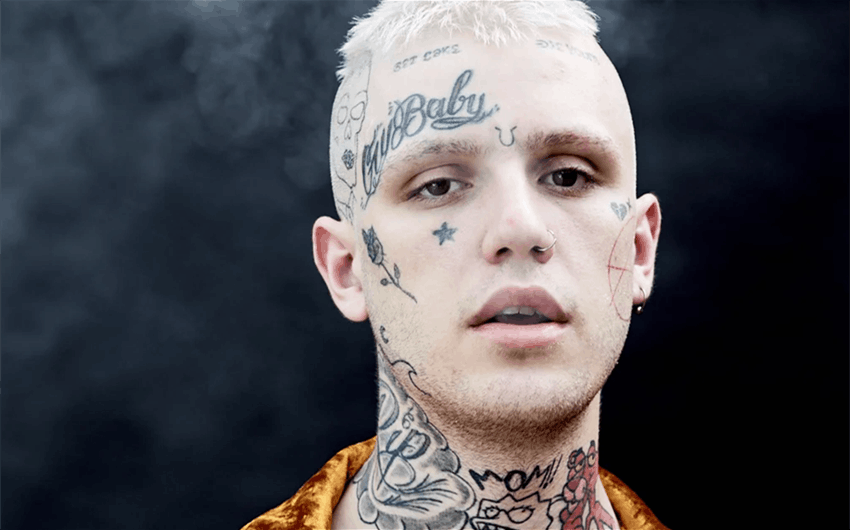
It’s easy to reduce Lil Peep to the look: dyed hair, face tattoos, and an aesthetic that felt like a living moodboard. But behind the visuals was a songwriter who knew how to turn private pain into something people could share. He didn’t write like someone trying to impress critics. He wrote like someone trying to survive the day and leave a trail of honesty behind him.
His voice wasn’t “perfect” in the traditional sense, and that was part of the magic. The cracks, the softness, the exhausted tone—those qualities made the music feel closer to a late-night confession than a polished performance. For fans, Lil Peep wasn’t an untouchable celebrity. He felt reachable, like a friend who said out loud what everyone else tried to hide.
Early Life: A Sensitive Kid With a Loud Inner World
Gustav Elijah Åhr was born in Pennsylvania and later spent much of his youth in New York. He was known as a bright kid who could also be deeply withdrawn, the kind of person who might be funny in one moment and distant in the next. Friends and people who knew him early have often described him as gentle, creative, and emotionally intense.
He wasn’t raised in a glamorous environment, but he was surrounded by the kinds of normal pressures that can feel crushing when you’re young and sensitive: identity, belonging, mental health, and the desire to be understood without having to explain yourself a hundred times. Music became his outlet early, not just as entertainment, but as a place to pour feelings that didn’t fit anywhere else.
Even before fame, he was already curating a world—listening habits, style choices, online presence, and a sense of identity built from pieces of punk, emo, and hip-hop. He didn’t wait for permission to become an artist. He started acting like one, then the world slowly caught up.
Finding His Sound on the Internet
Lil Peep is one of the clearest examples of an artist who didn’t need radio or a traditional music industry gatekeeper to build momentum. He grew in the era where SoundCloud and social platforms could turn a bedroom artist into a real headline, and he understood how to use that space better than most.
His early releases spread through shares, reposts, and fan communities that loved music that sounded raw and personal. He didn’t have to be “approved” by mainstream taste. His audience found him because the songs felt like a mirror. The production often leaned on dreamy guitars, hazy drums, and heavy emotion, but the writing stayed simple enough to stick in your head like a diary line you can’t stop repeating.
That simplicity wasn’t a lack of skill. It was a choice. Lil Peep knew that the cleanest line can sometimes hit harder than the cleverest one, especially when it’s delivered like it cost the person something to say it.
GothBoiClique and the DIY Era
As his profile grew, Lil Peep became associated with the collective GothBoiClique, a group tied to a wider underground scene that mixed rap, emo, and alternative aesthetics. This scene didn’t care about fitting neatly into one genre. The point was emotional honesty and a shared vibe: heartbreak, anxiety, late-night impulses, and the feeling of being young and already exhausted.
Being part of a collective also helped him sharpen his approach. Collaboration in that world often meant rapid output: writing quickly, recording quickly, releasing quickly, and letting the audience decide what sticks. That pace can be risky, but it can also produce moments that feel unfiltered and real. Lil Peep’s music often carried that “captured in the moment” energy, and fans loved it.
Breakthrough Projects and the Songs Fans Clung To
Before he ever released a proper studio album, Lil Peep built his reputation through mixtapes and EPs that circulated like underground treasures. Projects such as Lil Peep Part One, Crybaby, and Hellboy helped define the template: melodic sadness, blunt lyrics, and production that blended rap drums with guitar-driven emotion.
What made those projects stand out wasn’t just the “sadness.” It was the way he wrote about it. He didn’t dress pain up to sound poetic. He made it direct. He talked about love like it was addictive, loneliness like it was physical, and self-doubt like it was a constant roommate he couldn’t evict. That directness helped fans feel less alone, because the songs didn’t pretend everything would be fine by the end of the chorus.
He also had a gift for hooks. Even when the subject was heavy, the melodies were memorable. That’s why his songs didn’t only live in niche corners of the internet—they spread. People could sing them in the car. People could play them at parties. People could cry to them alone at 3 a.m. That range of use is a sign of a real pop instinct, even when the music sits outside mainstream rules.
Come Over When You’re Sober, Pt. 1: From Underground to Industry Spotlight
When Lil Peep’s career moved toward bigger releases, the attention got louder and the pressure got heavier. His debut studio album, Come Over When You’re Sober, Pt. 1, captured him at a moment where the underground intimacy was still present, but the industry machinery had started to turn.
The project leaned into heartbreak, confusion, and self-medication themes that were already part of his identity, but now the sound felt tighter and more focused. It also showed how well he could balance rap structure with alternative emotion. He wasn’t trying to “switch genres.” He was building a new lane in the middle of both.
By that point, he wasn’t just an internet favorite. He was touring, gaining major press, and becoming a recognizable face in youth culture. For some fans, the rise felt exciting. For others, it felt scary, like watching someone fragile get pulled into a machine that moves too fast.
Fashion, Image, and Why He Looked Like the Music Sounded
Lil Peep’s look wasn’t separate from his sound—it was part of the same message. The dyed hair, the tattoos, the mix of streetwear with punk and emo cues: it all signaled that he didn’t want to be clean, polished, or “safe.” He made vulnerability visible. That mattered to a generation that often felt pressured to present a perfect version of themselves online.
He also challenged old ideas about masculinity in rap. He could be emotional, soft, heartbroken, and openly messy without pretending it made him weaker. For many fans, especially younger listeners, that was a relief. His art gave people permission to feel what they felt without turning it into a joke.
Struggles With Mental Health and Substance Use
Lil Peep spoke openly about depression and emotional pain, and he didn’t hide that substance use was part of his world. It’s important to say this carefully: discussing these struggles isn’t about glamorizing them. It’s about understanding what the music was carrying.
His songs often sounded like a tug-of-war between wanting love and pushing it away, wanting peace and chasing chaos, wanting to heal and not knowing how. That tension is one reason the music felt so real. He didn’t write like someone who had everything figured out. He wrote like someone still in the fight.
At the same time, fame can intensify existing problems. Touring, constant attention, and living under a spotlight can make it harder to slow down and get stable. When someone’s identity becomes tied to being “the sad artist,” it can also become harder to step away from that role without feeling like you’re disappointing people.
Death in 2017 and What It Meant to Fans
Lil Peep died on November 15, 2017, at the age of 21. His death was widely reported as related to an accidental overdose involving a dangerous mix of substances. The news hit fans hard because many felt they had been listening to warning signs for years. His lyrics often carried a sense of danger and exhaustion, and suddenly those feelings had an ending that was brutally final.
For the broader music world, his death became another painful reminder that young artists can be surrounded by attention and still be deeply vulnerable. For fans, it felt personal. People weren’t just mourning a celebrity. They were mourning a voice that helped them get through their own worst nights.
Posthumous Releases and the Documentary Era
After his death, more music was released, including Come Over When You’re Sober, Pt. 2, which completed the album story arc many fans believed he was building. Posthumous releases can be complicated, because fans worry about whether an artist would have wanted certain songs out. In Lil Peep’s case, many listeners welcomed the music as a way to keep hearing him, while still feeling the sadness of what could have been.
A documentary film, Everybody’s Everything, later helped many people understand the bigger picture: his rise, his relationships, his artistic drive, and the emotional weight he carried. For fans, it wasn’t just “content.” It was context. It helped explain why he burned so bright and why it was so hard for him to slow down.
Net Worth and the Reality of Music Money
Lil Peep’s net worth is difficult to pin down with certainty because public numbers are estimates and don’t show private contracts, rights, or estate arrangements. Many outlets commonly place his net worth in the low millions, especially considering the continued streaming success of his catalog after his death.
What’s clear is that his music has remained financially valuable because it remains culturally valuable. Streaming, merchandise, licensing, and long-term fan loyalty can keep an artist’s catalog alive for years. In Lil Peep’s case, the audience hasn’t faded. If anything, it has grown as new listeners discover him the same way older fans did—through late-night playlists, shared links, and songs that feel like they understand them.
Legacy: Why Lil Peep Still Feels Present
Lil Peep helped open a door that still hasn’t closed. He made it normal for rap to be openly emotional, guitar-driven, and vulnerable without apology. He influenced waves of artists who blend rock textures with hip-hop rhythms and write about mental health without turning it into a marketing angle.
He also left behind something harder to measure: a feeling. His music sounds like a specific kind of youth—beautiful, messy, scared, romantic, and exhausted all at once. That’s why people return to it. It doesn’t just remind them of a time. It reminds them of a version of themselves they don’t want to forget.
Lil Peep’s legacy is both musical and emotional: he proved that honesty can be a style, that sadness can be shared without shame, and that a voice from the underground can reshape the mainstream.
image source: https://www.theguardian.com/music/2019/nov/15/lil-peep-everybodys-everything-review