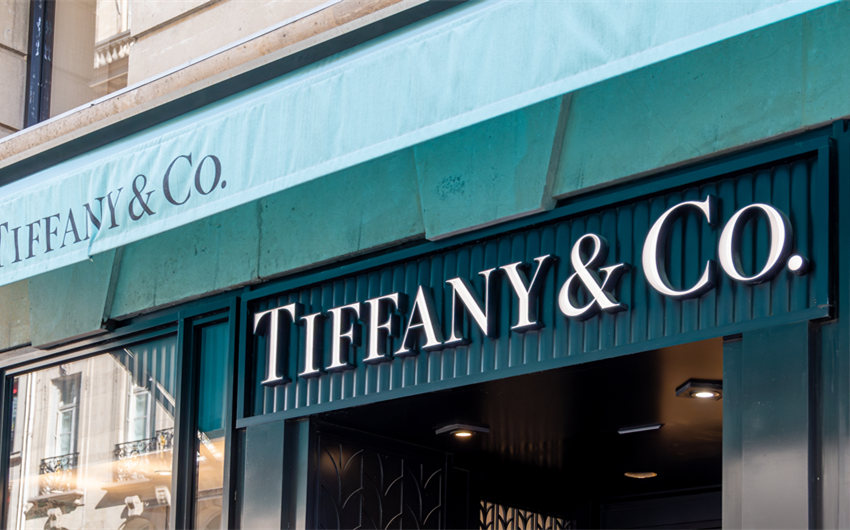
Who Owns Tiffany & Co.? A Clear Look at Ownership and Brand Evolution
If you’ve ever wondered who owns Tiffany & Co., you’re not alone. Tiffany is one of the most recognizable luxury jewelry brands in the world, closely associated with timeless diamonds, iconic blue boxes, and American elegance. While the brand’s image feels deeply rooted in New York history, its ownership today reflects the realities of modern global luxury. Understanding who owns Tiffany & Co. also helps explain how the brand has evolved—and where it’s headed next.
A Brief Overview of Tiffany & Co.
Tiffany & Co. is a luxury jewelry house best known for diamond engagement rings, sterling silver jewelry, and high-end timepieces. Over nearly two centuries, the company has built a reputation for craftsmanship, innovation, and refined design. Tiffany’s brand identity blends heritage with aspiration, making it equally appealing to first-time luxury buyers and serious collectors.
Although Tiffany began as a distinctly American brand, its reach has long been international. With flagship stores in major global cities and customers around the world, Tiffany naturally attracted interest from large luxury groups seeking iconic names with global potential.
Who Founded Tiffany & Co.?
Tiffany & Co. was founded in 1837 by Charles Lewis Tiffany in New York City. The original business was not a jewelry store as we know it today—it began as a shop selling stationery and “fancy goods.” Over time, Charles Tiffany shifted the company’s focus toward fine jewelry, recognizing growing demand for luxury craftsmanship.
Charles Lewis Tiffany became known as the “King of Diamonds” for his role in setting high standards for diamond quality and transparency. His early business decisions helped establish Tiffany’s reputation for trust and excellence, values that continue to define the brand today.
Tiffany & Co. as a Public Company
For many years before its acquisition, Tiffany & Co. operated as a publicly traded company on the New York Stock Exchange. Ownership during this period was divided among institutional and individual shareholders, rather than controlled by a single family or private owner.
Being publicly traded allowed Tiffany to raise capital and expand internationally, but it also meant the company was subject to market pressures. As luxury became increasingly global and competitive, Tiffany faced the challenge of balancing short-term performance with long-term brand investment—one of the factors that made acquisition appealing.
Who Owns Tiffany & Co. Today?
Today, Tiffany & Co. is owned by LVMH Moët Hennessy Louis Vuitton, the world’s largest luxury goods conglomerate. LVMH officially completed its acquisition of Tiffany & Co. in January 2021, making Tiffany part of its prestigious global brand portfolio.
This acquisition ended Tiffany’s time as an independent public company. Instead, it now operates as a wholly owned subsidiary within LVMH’s luxury ecosystem, benefiting from the group’s scale, resources, and long-term investment strategy.
What Is LVMH?
LVMH is a French multinational luxury group known for owning and managing some of the most valuable brands in fashion, jewelry, watches, wine, spirits, and cosmetics. Its portfolio includes names such as Louis Vuitton, Dior, Bulgari, TAG Heuer, Givenchy, and many others.
The group is known for acquiring heritage brands and investing heavily in craftsmanship, retail experiences, and brand storytelling. Rather than stripping brands of identity, LVMH typically emphasizes long-term growth and creative autonomy—while providing financial and operational support behind the scenes.
For LVMH, Tiffany represented a rare opportunity: an iconic American jewelry house with strong global recognition and significant room for expansion in high-end jewelry.
The Tiffany & Co. Acquisition Deal
The acquisition of Tiffany & Co. was one of the largest luxury deals in history. LVMH initially agreed to purchase Tiffany for approximately $16 billion, making it the group’s biggest acquisition at the time.
The deal faced delays and public tension during global economic uncertainty, leading to renegotiation. Ultimately, LVMH acquired Tiffany at a slightly reduced price, bringing the final value to roughly $15.8 billion.
Despite the challenges, the deal closed successfully, and Tiffany officially became part of the LVMH family in early 2021.
How Tiffany Operates Under LVMH Ownership
Since joining LVMH, Tiffany & Co. has remained operationally independent while aligning with the group’s broader luxury strategy. That means Tiffany still designs its own jewelry and maintains its heritage identity—but with significantly increased investment.
LVMH has focused on elevating Tiffany’s position within the global luxury market. This includes:
-
Major flagship store renovations
-
Greater emphasis on high jewelry collections
-
More fashion-forward marketing and design direction
-
Expanded global presence
Rather than changing what Tiffany stands for, LVMH has concentrated on refining and amplifying its strengths.
What LVMH Ownership Means for Tiffany’s Brand
One common concern when luxury brands change ownership is whether they lose authenticity. In Tiffany’s case, the changes have been evolutionary rather than disruptive.
Under LVMH, Tiffany has leaned more strongly into bold design, artistic collaborations, and storytelling that appeals to younger luxury consumers—while still honoring its heritage. The brand has become more visible in fashion conversations without abandoning its core jewelry identity.
This shift reflects LVMH’s broader philosophy: heritage brands must evolve to remain relevant, especially in a market driven by experience, creativity, and global appeal.
Impact on Tiffany Products and Pricing
Ownership under LVMH has also influenced Tiffany’s product strategy. While iconic collections remain central, there is a clear push toward expanding the high jewelry segment—pieces that showcase rare gemstones, craftsmanship, and exclusivity.
Pricing has gradually adjusted to reflect Tiffany’s elevated positioning, particularly at the top end. However, entry-level and mid-range items remain available, allowing Tiffany to serve both aspirational buyers and elite collectors.
This dual approach helps Tiffany grow revenue while preserving its role as a gateway luxury brand.
Industry and Public Reaction
The luxury industry largely viewed LVMH’s acquisition of Tiffany as a strategic win. Analysts saw it as a move that strengthened LVMH’s jewelry portfolio while giving Tiffany the resources to compete more directly with European high-jewelry houses.
Public reaction was mixed at first, as longtime fans worried about change. Over time, however, renovated stores, refreshed collections, and consistent brand messaging have helped reassure customers that Tiffany’s identity remains intact.
Tiffany & Co.’s Future Under Current Ownership
Looking ahead, Tiffany’s future under LVMH appears focused on growth, innovation, and global consistency. Expect continued investment in flagship stores, stronger presence in major luxury capitals, and deeper exploration of high jewelry craftsmanship.
At the same time, Tiffany’s signature collections and accessible luxury appeal are unlikely to disappear. LVMH’s long-term strategy depends on preserving what makes Tiffany special—while ensuring it thrives in a competitive global market.